
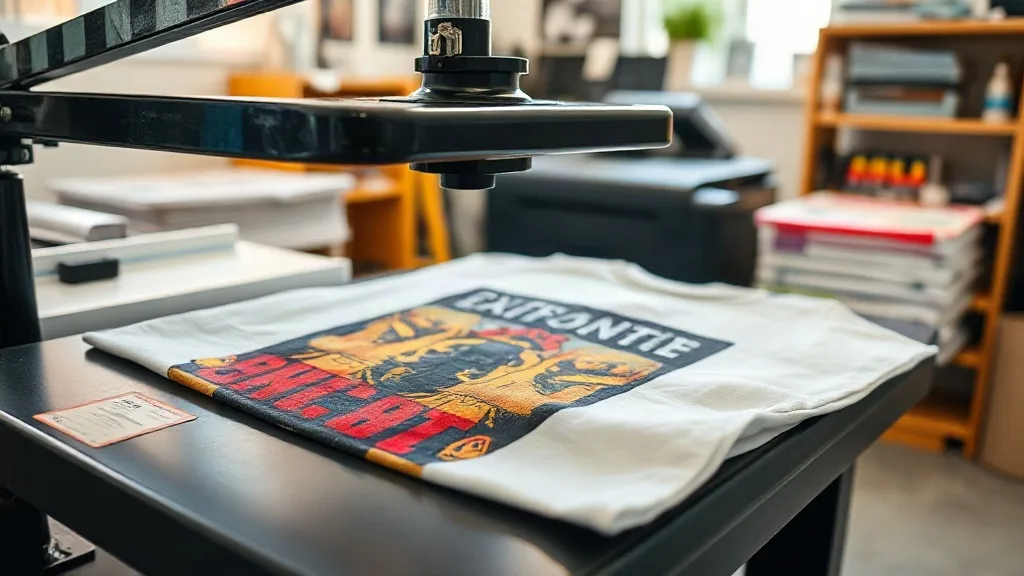
If you've been in the custom apparel game for any length of time, you know that the method you choose for decorating garments can make or break your business. From screen printing to embroidery, each technique has its place, but there's one that's been rapidly gaining traction among both newcomers and seasoned pros: dtf transfers. This digital transfer method is changing the way we think about short-run, full-color printing on fabrics, and for good reason. Whether you're running a small print shop, a side hustle, or simply love creating personalized gear for your team or event, understanding what DTF brings to the table can save you time, money, and a whole lot of frustration.
What Exactly Are DTF Transfers?
DTF stands for Direct-to-Film. The process involves printing your design onto a special film using water-based pigments, then applying a powder adhesive while the ink is still wet. Once the film is cured, you can store it for later use or press it onto a garment with a heat press. The result is a soft, stretchable print that bonds permanently to the fabric. Unlike DTG (direct-to-garment), which requires the garment to be loaded into a printer, DTF separates the printing and pressing steps. This means you can print a batch of transfers and apply them to various items whenever you need, without being tied to a single garment type.
Why DTF Is Gaining Popularity
The rise of dtf technology isn't just hype. It solves several pain points that have plagued apparel decorators for years. Let's break down the key advantages.
1. Vibrant, Full-Color Prints on Any Fabric
One of the biggest limitations of DTG is that it works best on 100% cotton. Blends and synthetic fabrics often yield dull or washed-out results. DTF, on the other hand, adheres beautifully to cotton, polyester, blends, and even nylon. The colors pop because the transfer sits on top of the fabric rather than being absorbed into it. This makes DTF ideal for sportswear, tote bags, and any project where you need bright, eye-catching designs.
2. Cost-Effective for Short Runs
Screen printing requires separate screens for each color, which can be expensive for small orders. DTF eliminates that setup cost. You can print a single transfer or hundreds at once, and the per-unit cost remains low. For small businesses or individuals who frequently produce one-off items, this is a game-changer. You no longer have to order 50 shirts to get a decent price per piece.
3. Durability That Withstands Wash After Wash
Properly applied DTF transfers are incredibly durable. They resist cracking, peeling, and fading even after multiple washes. The key is in the application: consistent pressure, temperature, and time. Once you dial in your heat press settings, you can trust that your prints will last as long as the garment itself. This reliability is why many professional decorators are switching to DTF for client orders that need to withstand daily wear.
4. No Weeding or Masking Required
If you've ever worked with heat transfer vinyl (HTV), you know the tedious process of weeding out tiny details. DTF eliminates that entirely. The design is printed with the adhesive already in place, so you simply cut around the design (or use a cutter) and press. This saves hours of labor, especially for intricate designs with fine lines or small text.
How to Get Started with DTF Transfers
Ready to dive in? Here's a step-by-step overview of the DTF process, from design to finished product.
Step 1: Prepare Your Artwork
Start with a high-resolution image (300 DPI is recommended). Ensure your design has a transparent background if you want the garment color to show through. Most DTF printers accept PNG or TIFF files. If you're using a service like dtf transfers near me, they'll often provide templates and guidelines to help you set up your file correctly.
Step 2: Print and Powder
Load the DTF film into your printer and print your design. While the ink is still wet, apply the adhesive powder evenly over the design. Shake off excess powder, then cure the film in a heat press or oven according to the manufacturer's instructions. This step is crucial for creating a strong bond.
Step 3: Press onto Garment
Pre-press your garment to remove moisture. Place the transfer face down on the fabric and press at the recommended temperature (usually around 300°F to 320°F) for 10-15 seconds. Peel the film while it's still warm (or cold, depending on the film type). For best results, do a second press with a Teflon sheet or parchment paper to ensure even adhesion.
Common Mistakes to Avoid
Even though DTF is user-friendly, a few missteps can ruin your results. Watch out for these:
- Insufficient pressure: If the transfer doesn't adhere fully, it will peel after washing. Make sure your heat press applies even pressure across the entire design.
- Wrong temperature: Too hot and the film may melt or scorch; too cold and the adhesive won't activate. Always check your film's specs.
- Not pre-pressing the garment: Moisture in the fabric can cause the transfer to bubble or fail to stick. Always pre-press for 5-10 seconds.
- Reusing film: DTF film is single-use. Once the design is transferred, the film is spent.
DTF vs. Other Decoration Methods
How does DTF stack up against screen printing, DTG, and HTV? Here's a quick comparison:
- Screen printing: Best for large orders of simple designs; DTF wins for complex, multi-color designs on short runs.
- DTG: Great for cotton, but DTF offers broader fabric compatibility and often more vibrant colors on dark shirts.
- HTV: DTF eliminates weeding and allows for photographic designs; HTV is limited to solid colors and simple shapes.
For many shops, DTF has become the go-to for samples, small batches, and personalized items, while screen printing still rules for bulk orders of simple designs.
Real-World Applications
DTF transfers are incredibly versatile. Here are just a few ways people are using them:
- Custom t-shirts for events: Family reunions, charity runs, and team uniforms.
- Branded merchandise: Tote bags, hats, and aprons for small businesses.
- Personalized gifts: Baby onesies, anniversary shirts, and more.
- Sportswear: Jerseys and activewear that need stretchable, durable prints.
Because DTF works on so many fabrics, you're not limited to cotton. Polyester performance wear, canvas bags, and even leather can be decorated with DTF.
Finding DTF Transfers Near You
If you don't want to invest in a printer and powder setup, you can order custom transfers from a service. Searching for dtf transfers near me will connect you with local providers who can print and ship your designs. This is a great option for hobbyists or businesses that want to test the waters without a large upfront investment. When choosing a provider, look for clear instructions, consistent quality, and fast turnaround.
Frequently Asked Questions
How long do DTF transfers last?
With proper application and care, DTF transfers can last the lifetime of the garment. They resist cracking and fading for 50+ washes when applied correctly.
Can I use DTF on dark shirts?
Absolutely. DTF transfers include a white ink layer that makes colors pop on dark fabrics. You don't need to adjust your design for dark garments.
Do I need a special printer for DTF?
Yes, DTF requires a printer that uses DTF ink and can handle the film. However, you can also order transfers from a service if you don't want to buy equipment.
What fabrics work best with DTF?
DTF adheres well to cotton, polyester, blends, nylon, and more. It's not recommended for fabrics with heavy textures or coatings.
How do I wash DTF-printed garments?
Turn the garment inside out and machine wash cold. Avoid bleach and tumble dry low or hang dry. Do not iron directly on the print.
DTF transfers are more than a passing trend; they're a practical solution that empowers creators to produce high-quality custom apparel without the barriers of traditional methods. Whether you're a seasoned pro or just starting, incorporating DTF into your workflow can open up new possibilities and help you deliver outstanding results to your customers.