
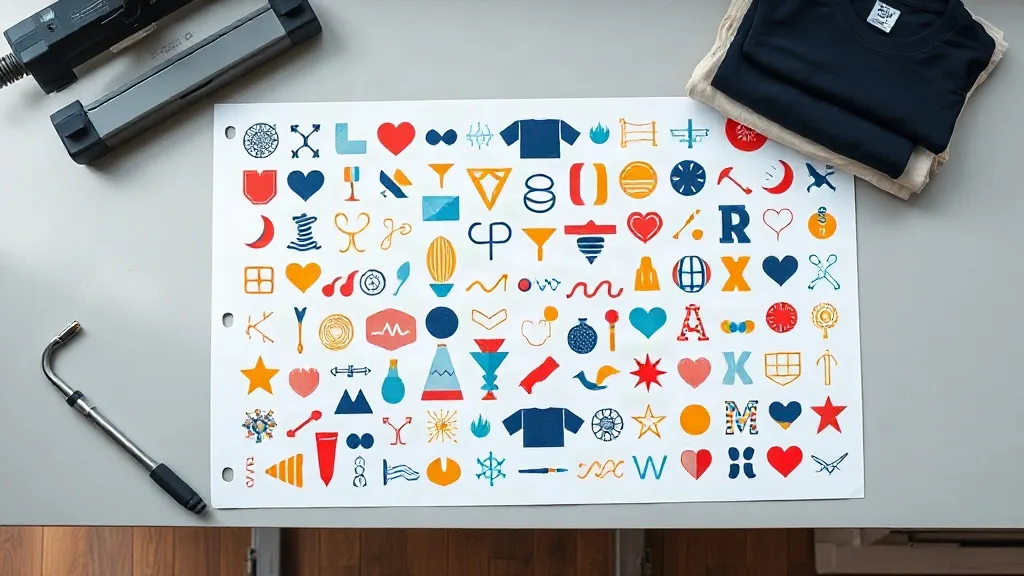
Ask anyone who prints shirts for a living where the money quietly disappears, and you will hear the same answers: wasted transfer film, idle press time, and mistakes that only surface after the order is paid for. A DTF Gangsheet addresses all three at once. Instead of paying for one transfer at a time, you arrange many designs across a single sheet of film, send it to a printer once, and cut them apart when the job calls for them. It sounds like a small logistical tweak. In practice, it reshapes how a shop prices work, sequences production, and absorbs the messy reality of custom orders.
This guide walks through what a gangsheet actually is, where it saves real money, how to lay one out without wasting space, and the mistakes that turn a clever idea into a pile of unusable film. If you run a small apparel brand, a print shop, or a side business doing team jerseys and family reunion shirts, the details below are the ones that matter.
What a DTF Gangsheet Actually Contains
Direct-to-film printing works by jetting water-based pigment ink onto a special PET film, then dusting the wet ink with a hot-melt adhesive powder. The powder fuses to the ink, the excess is shaken off, and the result is a transfer that can be heat pressed onto cotton, polyester, blends, and even some nylon. A gangsheet is simply that same process applied to a larger canvas, with many separate graphics nested together on one film.
The key distinction is that a gangsheet is not a single printed image. Each design on the sheet keeps its own edges and its own powder coating, so you cut along the artwork boundaries and press pieces individually. That means a sheet can hold a mix of sizes, colors, and even unrelated designs, which is exactly what makes it useful for shops that rarely print the same thing twice.
Sheet sizes and how they are measured
Most suppliers quote gangsheets by physical dimensions, commonly in the range of 22 by 12 inches up to 22 by 60 inches or longer, though exact offerings vary by provider. Pricing is usually based on the sheet size rather than the number of designs, which is why efficient nesting matters so much. A sheet that is 60 percent full costs the same as one that is 95 percent full.
What you receive and what you still have to do
A finished gangsheet arrives as printed, powdered, cured film, ready to press. You still handle cutting, placement, and the press itself. Some suppliers will pre-cut or score the film for you, and some will not, so confirm before ordering if cutting labor is your bottleneck.
Where the Cost Savings Really Come From
New buyers often assume the savings come from a lower price per square inch. That is part of it, but the bigger wins are structural. Here is where the math actually shifts.
- Film and ink utilization. Nesting designs tightly eliminates the empty margins that come with single-design prints. On a busy sheet, you can recover a meaningful share of the film area that would otherwise be thrown away.
- Setup amortization. Every print run has fixed setup costs: file preparation, printer calibration, powdering, and curing. Spreading those across a full sheet instead of a single small design lowers the effective cost per transfer.
- Shipping consolidation. One sheet ships as one package. Ten individual transfers may ship as ten line items or at least as bulkier packaging.
- Press scheduling. Because you press transfers on demand rather than printing on demand, you can produce a batch of transfers once and press them across several days as orders trickle in. That decouples printing from fulfillment.
There is a fifth, less obvious benefit: inventory flexibility. A shop can hold a library of transfers for popular designs without committing to finished garments. A blank shirt in the right size and color is easy to source; a finished shirt in a discontinued color is not.
A worked example
Suppose a shop quotes a 22 by 60 inch sheet at a flat rate. If that sheet holds thirty front prints at roughly four by five inches each with sensible spacing, the per-transfer cost lands well below what the same shop would pay ordering thirty individual prints. Press those onto blanks bought at wholesale, and the margin per shirt becomes predictable instead of accidental. The exact numbers depend on your supplier and your nesting skill, but the direction is consistent.
Laying Out a Sheet Without Wasting Space
Nesting is where most of the value is created or destroyed. A few habits separate a tight sheet from a wasteful one.
- Group by job, not by design. Build sheets around a single order or a single week of orders. Mixing unrelated jobs on one sheet saves film but complicates cutting and sorting later.
- Rotate to fill gaps. Many designs nest better sideways. Rotating a graphic ninety degrees can slot it into a space that would otherwise be dead area.
- Leave a real margin. Designs need breathing room for clean cutting. A border that is too tight forces you to cut into the artwork or discard the piece.
- Mind the powder zone. Adhesive powder needs clean film around the ink to shake off properly. Crowding designs edge to edge can cause powder to cling where it should not.
- Standardize your most common sizes. If you print the same chest logo repeatedly, give it a fixed footprint so you can plan sheets quickly without re-measuring.
A practical trick: keep a template file with your standard sheet dimensions and a few common size blocks already placed. Dropping designs into a known grid is far faster than starting from a blank canvas every time.
Press Day: What Changes When You Work From a Sheet
Working from a gangsheet shifts your workflow from print-to-order to press-to-order. On press day, the sequence looks different from a traditional setup.
Start by cutting pieces with a trim that leaves a thin clear border around the ink. A rotary trimmer or a plotter with a cut file handles this far faster than scissors once volume picks up. Sort pieces by order and stack them ink-side up so you can see what you are grabbing.
Preheat the press and confirm your settings for the garment in front of you. Cotton, polyester, and blends all respond differently, and dark polyester is the usual troublemaker because excessive heat can leave press marks or dye migration. A pressing mat or a lower temperature with a longer dwell often solves it. Always test on a scrap before committing a full order.
Peel the film while it is still warm or cold depending on the film type, and follow the supplier's instructions rather than a generic setting you found online. Film chemistry varies more than most people expect, and a transfer that peels badly is usually a temperature problem, not a defective sheet.
Storage between print and press
Transfers keep well if stored flat, dry, and away from heat. A simple drawer or a binder with rigid sleeves works. Humidity is the enemy; powder that has absorbed moisture can behave unpredictably under the press. Label stacks by order date so older transfers get used first.
Mistakes That Cost Real Money
Most gangsheet failures are not printer failures. They are planning failures, and they repeat across shops.
- Overfilling the sheet. Cramming designs to the edge to save a few cents often produces cut pieces with damaged borders or uneven powder. The savings evaporate on reprints.
- Mixing incompatible garments on one job. A sheet built for cotton tees will not automatically work for nylon jackets. Match the transfer to the substrate before you print.
- Ignoring color profiles. Screen colors and printed film colors diverge. Soft-proof your files and calibrate your monitor, or you will learn about it from a customer.
- Skipping the test press. One scrap shirt costs a few dollars. A ruined twenty-piece order costs a customer.
- No inventory tracking. A sheet of transfers is inventory. If you cannot find the piece you need, you effectively do not have it.
When a Gangsheet Is the Wrong Choice
Honest advice includes the limits. If you need a single large back print, a dedicated transfer is simpler and avoids wasted film around the design. If your order volume is high enough to justify a screen setup, screen printing still wins on cost per piece at scale. And if you need a transfer today for one shirt, ordering a full sheet is overkill.
Gangsheets shine in the middle ground: varied small orders, mixed sizes, designs that repeat across weeks, and shops that want to press on demand rather than print on demand. That middle ground is where most independent apparel businesses actually live.
Frequently Asked Questions
How many designs fit on a DTF gangsheet?
It depends entirely on the sheet size and the dimensions of each design. A large sheet holding small chest logos can fit dozens of pieces, while a sheet holding full back prints may fit only a handful. The practical answer is to plan by total ink area rather than by count, and to leave cutting margins around every design.
Can I mix different garment types from one gangsheet?
Yes, because each design on the sheet is cut and pressed separately. What you cannot do is press the same transfer onto wildly different fabrics with the same settings. Group your pressing by fabric type and adjust temperature, pressure, and dwell time for each group.
How long can I store unused transfers?
Stored flat, dry, and away from heat and direct sunlight, transfers generally remain usable for months. Humidity is the main risk, since the adhesive powder can absorb moisture. Keep them sealed when possible and press a test piece if a stack has been sitting for a long stretch.
Do gangsheets work on dark and light shirts equally well?
DTF transfers include a white ink layer, which is what allows them to show up on dark garments. The print itself is not the issue; the pressing is. Dark polyester needs more care with heat to avoid marks and dye migration, so test your settings on a scrap before running a full order.
Is a gangsheet cheaper than ordering individual transfers?
Usually, yes, provided the sheet is well nested. The savings come from shared setup costs, fuller film utilization, and consolidated shipping rather than from a lower list price per square inch. A half-empty sheet can erase the advantage, so layout discipline matters as much as the supplier you choose.