
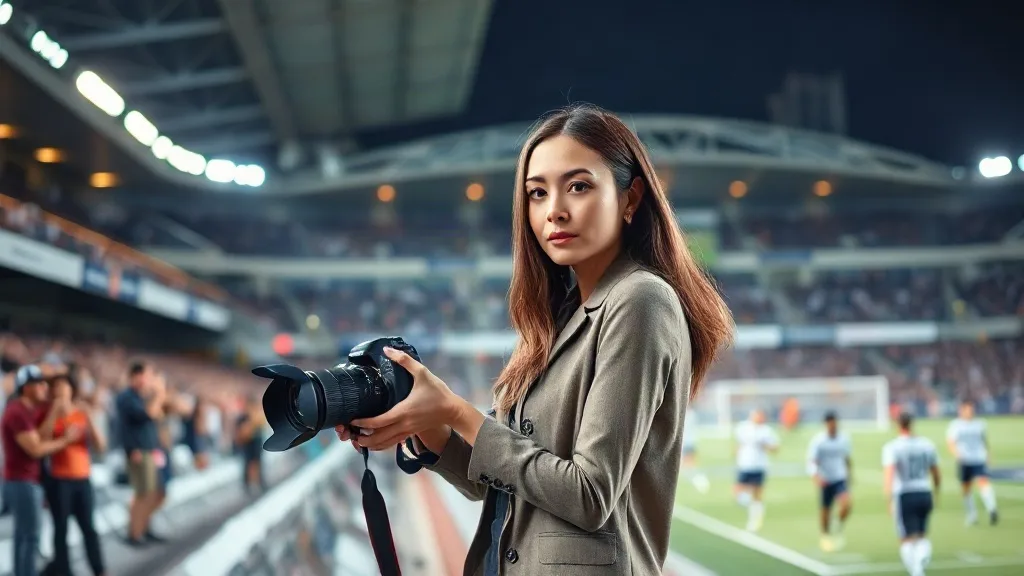
When a football club tried to dictate what a female photographer could wear while covering their matches, they probably didn't expect her to fight back. But that's exactly what happened, and the club has now been forced to back down. The incident has ignited a conversation about sexism, double standards, and the treatment of women in sports media.
The photographer, whose name has not been widely publicized, was reportedly told by club officials that her outfits were "too revealing" and that she should dress more conservatively while working at the stadium. Instead of complying, she pushed back, arguing that her clothing choices were professional and that the club had no right to police her appearance, especially when male photographers faced no such restrictions. Her stance has resonated with many who see it as part of a broader pattern of women in sports being judged on their looks rather than their work.
The Incident: What We Know
Details of the confrontation are still emerging, but the core facts are clear: a female photographer was banned from covering matches at a club's stadium because of her attire. The club's decision was communicated to her directly, and it prompted her to speak out publicly. In a series of social media posts and conversations with fellow journalists, she highlighted the unfairness of the ban, pointing out that her outfits were no more revealing than what male photographers or even players wore. The club initially defended its position, citing a dress code policy, but as pressure mounted, they reversed course.
The photographer's victory is being celebrated as a win for women in sports media, but it also raises uncomfortable questions about why such a situation occurred in the first place. Why did the club feel entitled to comment on her appearance? And why did it take a public fight to get them to back down?
The Double Standard in Sports
Sports have long been a arena where women are held to different standards than men. Female athletes, for example, are often criticized for their outfits, whether it's a tennis player's skirt or a beach volleyball player's bikini. Male athletes rarely face similar scrutiny. The same double standard extends to women working in sports media. Female reporters and photographers are frequently judged on their appearance, with viewers and officials alike feeling entitled to comment on their clothing, hair, and makeup.This incident is a stark reminder that even in professional settings, women's bodies are still policed. The photographer's outfit was deemed "revealing," but what does that even mean? In a stadium where players wear shorts and jerseys, and where male photographers might wear shorts and t-shirts, the bar for "revealing" seems to be applied selectively to women. It's a way of saying that women don't belong, that they are distractions rather than professionals.
What makes this case particularly frustrating is that the photographer was simply doing her job. She was there to capture the action, not to be the story. But by trying to control her appearance, the club made her the story, and in doing so, they exposed their own outdated attitudes.
The Power of Speaking Out
The photographer's decision to speak out was courageous. It would have been easy to comply with the club's demands, to change her outfit and avoid conflict. But she chose to fight, and her fight has paid off. The club has backed down, and she will be allowed to continue working without restrictions on her attire.
Her victory is a testament to the power of speaking out. It shows that when women challenge unfair treatment, they can effect change. It also sends a message to other clubs and organizations: you cannot impose sexist dress codes without facing backlash. In the age of social media, stories like this can spread quickly, and public opinion can be a powerful force.
However, it's important to recognize that not everyone has the platform or the security to speak out. Many women in sports media face similar pressures but stay silent for fear of losing their jobs or being blacklisted. The photographer's ability to fight back may be due in part to her established reputation and the support she received from colleagues and fans. For others, the stakes might be higher.
What This Means for Sports Media
This incident should serve as a wake-up call for sports clubs and media organizations. Dress codes, if they exist at all, should be applied equally to all staff and contractors, regardless of gender. They should be based on professionalism and safety, not on subjective notions of modesty. Clubs should also recognize that female photographers and reporters are professionals who deserve respect, not commentary on their appearance.
Moreover, the incident highlights the need for better support systems for women in sports media. Unions and professional associations can play a role in advocating for fair treatment and challenging discriminatory practices. Mentorship programs can help women navigate these challenges and build confidence to speak out when necessary.
For fans and readers, it's a reminder to support women in sports media by focusing on their work, not their looks. Share their photos, read their articles, and call out sexism when you see it. Change happens when enough people demand it.
The Bigger Picture: Sexism in Sports
This incident is not isolated. It's part of a larger pattern of sexism in sports. From the gender pay gap in professional sports to the lack of media coverage for women's sports, women are consistently undervalued and underrepresented. The treatment of female photographers is just one symptom of this broader problem.But there are signs of progress. Women's sports are gaining more visibility, and athletes are using their platforms to advocate for equality. The photographer's victory is another step forward. It shows that women will not be silenced or sidelined, and that they will continue to fight for their rightful place in the sports world.
As for the club, they have not commented publicly on the reversal, but their decision to back down is a tacit admission that they were wrong. It's a small victory, but a meaningful one. And it's a reminder that sometimes, the best way to challenge injustice is to refuse to back down.
Frequently Asked Questions
What exactly happened with the female football photographer?
A female football photographer was told by a club that her outfits were too revealing and that she should dress more conservatively. She refused to comply and spoke out about the unfairness of the ban. The club eventually backed down and allowed her to continue working without restrictions.
Why did the club ban her outfits?
The club claimed that her attire violated their dress code, but the photographer argued that the code was applied selectively and that male photographers were not held to the same standard. The club's decision was widely seen as sexist.
What does this mean for other women in sports media?
It sets a precedent that clubs cannot impose sexist dress codes without facing backlash. It also encourages other women to speak out against unfair treatment. However, it also highlights the need for systemic changes to ensure equal treatment for all.
How can fans support women in sports media?
Fans can support women in sports media by focusing on their work, sharing their content, and calling out sexism when they see it. They can also advocate for better representation and fair treatment in sports organizations.