
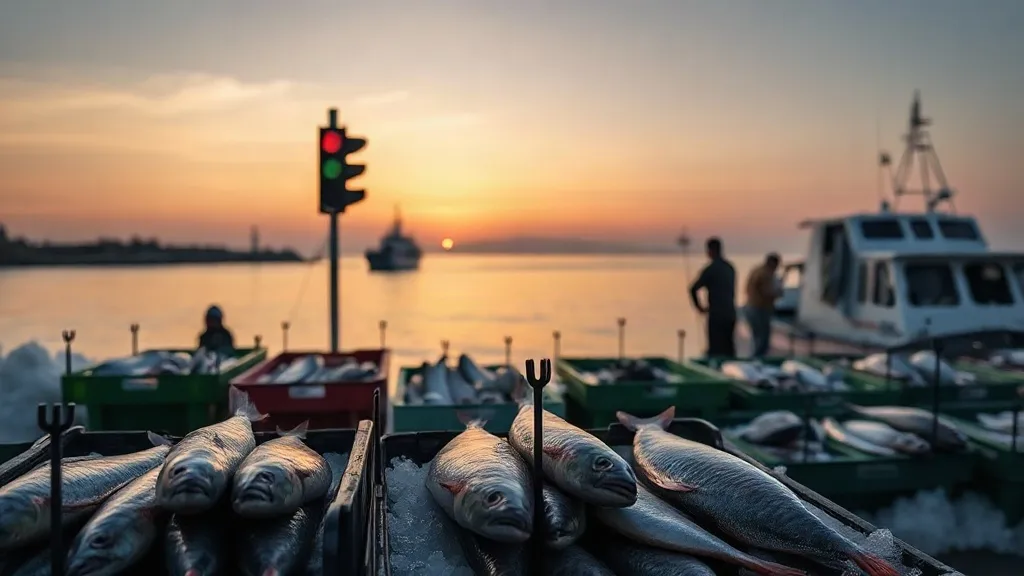
For years, environmentally conscious shoppers have been told to swap cod for hake or coley. Now, the Marine Conservation Society (MCS) says those alternatives are also under pressure. In its latest Good Fish Guide update, the charity downgraded the sustainability ratings for both species, urging consumers to scale back their purchases. The news lands as a reminder that even well-intentioned swaps can have unintended consequences when demand shifts faster than fish stocks can recover.
What the MCS Good Fish Guide Actually Measures
The Good Fish Guide is not a simple popularity contest. It uses a traffic-light system that rates seafood based on two core factors: the health of the fish stock and the environmental impact of the fishing method. Green means a relatively safe choice, amber signals cause for concern, and red advises avoidance. The guide is updated regularly as new scientific data emerges, and this latest revision reflects declining stocks and increased fishing pressure on hake and coley.
For shoppers, the ratings can feel like a moving target. A fish that was once a green-rated hero can slide into amber or red within a few years. That is not a flaw in the system; it is the system working as intended. The guide is designed to respond to reality, not to protect a brand or a species' reputation. When the science changes, the advice changes.
Why Hake and Coley Became the Go-To Alternatives
The story starts with cod. UK-caught cod has been in trouble for years, and consumers were urged to avoid it entirely. European hake and coley, also known as saithe, stepped in as the responsible substitutes. They were abundant, versatile, and affordable. Hake has a delicate, flaky texture that works well in Mediterranean dishes, while coley is a sturdy white fish that holds up in fish pies and curries.
But popularity has a cost. As more shoppers and restaurants switched to these alternatives, fishing pressure increased. Hake, in particular, is a slow-growing species that can be vulnerable to overfishing. Coley, while generally more resilient, is caught in mixed fisheries where bycatch can be an issue. The MCS downgrade is a signal that these stocks are not infinitely renewable.
What the Downgrade Means for Your Shopping List
The MCS is not calling for a complete boycott. Instead, it advises shoppers to scale back. That nuance matters. Sustainability is rarely about absolutes; it is about reducing pressure and giving stocks room to recover. If you regularly buy hake or coley, consider making them occasional choices rather than weekly staples.
It also helps to look beyond the species name. The same fish can have different ratings depending on where and how it was caught. A hake from a well-managed fishery might still be a better option than one from a poorly regulated area. The Good Fish Guide allows users to search by species, region, and fishing method, so you can make a more informed decision at the counter.
How to Choose Sustainable Seafood Without the Guesswork
Navigating seafood sustainability can feel overwhelming, but a few simple habits can make it easier.
- Check the guide before you shop. The MCS website and app are updated regularly, and they are free to use. A quick search can save you from an outdated assumption.
- Ask where your fish comes from. Fishmongers and waitstaff are increasingly trained to answer this question. If they do not know, that is a red flag.
- Vary your choices. Relying on a single species, even a well-rated one, creates the same pressure that got cod into trouble. Try mussels, sardines, or farmed shellfish.
- Look for certification. Labels like the Marine Stewardship Council (MSC) blue tick indicate that a fishery has met certain sustainability standards, though they are not a perfect guarantee.
- Consider frozen. Frozen fish can be just as nutritious as fresh, and it often comes from well-managed fisheries with less waste.
These steps are not about perfection. They are about making better choices more often. A single swap here and there adds up across millions of shopping baskets.
The Bigger Picture: Why Sustainable Swaps Keep Changing
The hake and coley downgrade is part of a broader pattern. As consumers become more aware, demand shifts, and new pressures emerge. This is not a reason to give up on sustainable seafood. It is a reason to stay curious and flexible. The ocean is a dynamic system, and our choices need to adapt as we learn more.
It also highlights the importance of supporting fisheries that are managed responsibly. When stocks are healthy, fishermen can continue to make a living, and consumers can continue to enjoy seafood. When stocks decline, everyone loses. The MCS update is a nudge to pay attention, not a reason to panic.
What About Cod? The Original Warning Still Stands
It is worth remembering why hake and coley became popular in the first place. UK-caught cod stocks have been in decline for years, and the advice to avoid them remains in place. If you are looking for a white fish, there are other options beyond hake and coley. Pollock, for example, is often rated more favourably, and farmed tilapia can be a good choice if it is produced responsibly.
The key is to avoid swapping one overfished species for another. That means staying informed and being willing to change your habits. The Good Fish Guide is a tool, not a rulebook. Use it as a starting point, not a final verdict.
Frequently Asked Questions
Is hake still okay to eat occasionally?
Yes, the MCS advises scaling back rather than avoiding it entirely. If you enjoy hake, treat it as an occasional choice and look for options with a better rating when you can.
What is the difference between coley and saithe?
They are the same fish. Coley is the common name in the UK, while saithe is used in other regions. The MCS guide lists it under both names.
How often is the Good Fish Guide updated?
The guide is updated regularly, typically several times a year, as new stock assessments and fishing data become available. It is best to check the latest version before you shop.
Are there any hake or coley fisheries that are still rated green?
Some fisheries may still have a green rating depending on the region and method. The MCS guide allows you to filter by these factors, so you can find the best available option.
What should I do if my local shop only sells hake or coley?
Talk to the manager or fishmonger. Ask if they can stock alternative species or source from a better-rated fishery. Consumer demand drives change, and your feedback matters.