
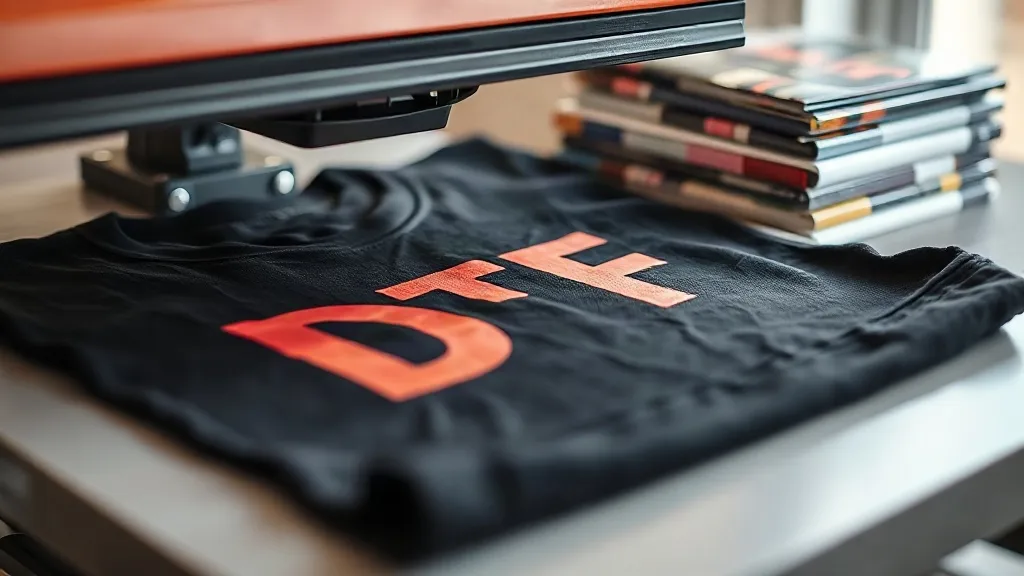
When you first encounter dtf printing, it might seem like just another trend in the custom apparel world. But spend a few minutes talking to anyone who has adopted it, and you will quickly realize it is a fundamental shift. Unlike older methods that force you to choose between softness, durability, or color intensity, dtf transfers deliver on all three. Whether you are a small business owner printing on demand, a hobbyist experimenting with new techniques, or someone who simply wants to understand what all the buzz is about, this guide will walk you through everything you need to know. I have spent the last few years working with DTF in a production environment, and I have seen firsthand how it can elevate your projects, but also where it can go wrong if you overlook the details. Let us dive in.
What Exactly Are DTF Transfers?
DTF stands for Direct to Film. The process involves printing a design onto a special PET film using water-based inks, then applying a hot-melt adhesive powder to the wet ink. Once the powder is cured, the design is ready to be transferred onto fabric using a heat press. The magic lies in the adhesive: it bonds the ink to the fabric, creating a strong, flexible bond that feels soft to the touch. Unlike DTG (Direct to Garment) printing, which requires the fabric to be pre-treated and is limited mostly to cotton, DTF works on a wide range of materials, including polyester, blends, and even nylon. That versatility alone has made dtf transfers a favorite among those who print on diverse garment types.
Why DTF Transfers Stand Out
If you have tried other decoration methods, you know the common pain points: vinyl can be stiff and peel, screen printing is expensive for small runs, and DTG can look faded on dark shirts. DTF sidesteps many of these issues. Here is what makes it special:
- Vibrant colors on any fabric: Because the design is printed on a white ink base, colors pop even on black or navy garments. You get the same intensity you would expect from screen printing, but without the setup costs.
- Exceptional durability: When applied correctly, DTF transfers survive dozens of washes without cracking or fading. The adhesive powder creates a mechanical bond that outlasts many other transfer types.
- Stretch and flexibility: The ink film remains flexible, so it moves with the fabric. This makes it ideal for stretchy materials like spandex blends or athletic wear.
- No weeding or masking: Unlike vinyl, there is no tedious weeding process. You print, powder, cure, and press. That saves hours of labor.
- Works on hard-to-print items: Canvas bags, caps, and even wood can be decorated with DTF, opening up new product lines.
These advantages explain why so many print shops have integrated DTF into their workflow. However, not all DTF transfers are created equal. The quality of the film, ink, and powder varies significantly, and that directly impacts your results.
How to Apply DTF Transfers for Best Results
Application might seem straightforward, but small details make a big difference. Here is a step-by-step breakdown based on my own trial and error.
1. Prepare Your Heat Press
Set your heat press to the temperature recommended by your transfer supplier. Typically, this falls between 325°F and 350°F (160°C to 175°C). Pre-press the garment for a few seconds to remove moisture and wrinkles. This step is often skipped, but it prevents steam from interfering with the adhesive.
2. Position and Press
Place the transfer film-side up (the design should be facing you) onto the garment. Cover it with a Teflon sheet or parchment paper to protect the press. Apply medium to firm pressure for 15 to 20 seconds. The exact time depends on your press and the transfer thickness, so always test with a scrap piece first.
3. Peel Cool or Hot?
Most DTF transfers are designed for a cold peel. That means you wait until the film is completely cool before peeling it away. This allows the adhesive to set properly. If you peel while hot, the design may stretch or leave residue. Some newer films allow hot peel, but check the instructions. When in doubt, go cold.
4. Post-Press for Extra Durability
After peeling, I like to give the design a second press for 5 to 10 seconds with a Teflon sheet on top. This ensures the edges are fully bonded and improves wash resistance. It is a small extra step that pays off in longevity.
Common Pitfalls and How to Avoid Them
Even with a good process, things can go wrong. Here are the most frequent issues I have encountered and how to fix them.
Adhesive Failure
If the transfer peels off after washing, it is usually due to insufficient pressure, incorrect temperature, or too short a press time. Invest in a heat press with a pressure gauge; a clamshell press with adjustable pressure is better than a cheap iron. Also, make sure your garment is clean and dry.
Color Fading
Fading often stems from low-quality ink or improper curing of the powder. When you buy dtf transfers, choose a reputable supplier who uses high-grade inks and consistent powder application. Cheap transfers may look fine initially but degrade quickly.
Stiff or Cracked Feel
If the transfer feels like a plastic patch, you might be using too much powder or pressing at too high a temperature. A properly made DTF transfer should be thin and flexible. Adjust your powder application and temperature settings.
Choosing the Right DTF Transfers
With so many suppliers out there, how do you pick? Here are key factors to evaluate:
- Film quality: Look for films that are easy to peel and leave no residue. Some films are matte, others glossy; both work, but matte tends to hide scratches better.
- Ink vibrancy: Request samples. Print a test design with fine details and gradients. Good DTF should reproduce them sharply.
- Powder consistency: The adhesive powder should be evenly applied. Clumps or bare spots lead to weak bonds.
- Washability claims: Reputable suppliers will state a wash cycle rating. If they do not, be cautious.
- Customer support: A supplier who answers questions and offers guidance is worth their weight in gold.
One resource I have found reliable is dtf transfers. They offer a range of transfers and supplies that consistently meet professional standards. I have used their products on multiple projects, from cotton tees to polyester jackets, and the results have been excellent. Their team also provides helpful tips, which is a bonus for anyone new to the craft.
DTF vs. Other Printing Methods: A Quick Comparison
To give you a clearer picture, here is how DTF stacks up against common alternatives:
- DTF vs. Screen Printing: Screen printing is cost-effective for large orders of the same design, but DTF wins for small batches and multi-color designs. DTF also requires less setup and no screens.
- DTF vs. DTG: DTG is excellent for 100% cotton and has a soft feel, but it struggles on dark colors and synthetics. DTF handles both with ease and often produces more vibrant results.
- DTF vs. Vinyl: Vinyl is great for simple one-color designs, but it can feel heavy and is limited in detail. DTF allows for full-color, photographic-quality prints with a softer hand.
- DTF vs. Sublimation: Sublimation only works on polyester and requires light-colored substrates. DTF works on almost anything and can print white ink, making it far more versatile.
Each method has its place, but DTF has become my go-to for projects that demand both durability and visual impact.
Frequently Asked Questions About DTF Transfers
How long do DTF transfers last?
With proper application and care, DTF transfers can last 50 washes or more without significant fading or cracking. Using high-quality transfers and following the correct pressing parameters are key. I have shirts that have been washed weekly for over a year and still look great.
Can I use DTF transfers on dark colors?
Absolutely. One of the biggest advantages of DTF is that it prints a white ink layer behind the colors, so your design remains vibrant even on black or dark navy garments. This is a major reason why many printers prefer DTF over DTG for dark apparel.
Do I need a special printer for DTF?
Yes, DTF requires a dedicated DTF printer that uses water-based inks and a powder shaker. However, if you do not want to invest in a printer, you can buy pre-printed transfers from suppliers like dtftransfers.so and simply apply them with a heat press. That is a great way to start without a big upfront cost.
What fabrics work best with DTF?
DTF adheres well to cotton, polyester, blends, nylon, and even leather. It is not recommended for fabrics with a heavy silicone coating or waterproof finishes, as the adhesive may not bond. For best results, stick to natural and synthetic blends commonly used in apparel.
How do I wash garments with DTF transfers?
Turn the garment inside out and wash in cold water on a gentle cycle. Avoid bleach and fabric softeners. Tumble dry on low or hang dry. Following these simple steps will maximize the life of your transfer. I also recommend waiting at least 24 hours after application before the first wash.
Final Thoughts
DTF transfers have carved out a well-deserved place in the custom apparel industry. They offer a rare combination of vibrancy, durability, and versatility that few other methods can match. Whether you are printing your own designs or buying pre-made transfers, understanding the process and choosing quality supplies will set you up for success. I encourage you to experiment, test different fabrics, and see the results for yourself. Once you get the hang of it, you might find that DTF becomes your preferred decoration method, just as it has for me.