
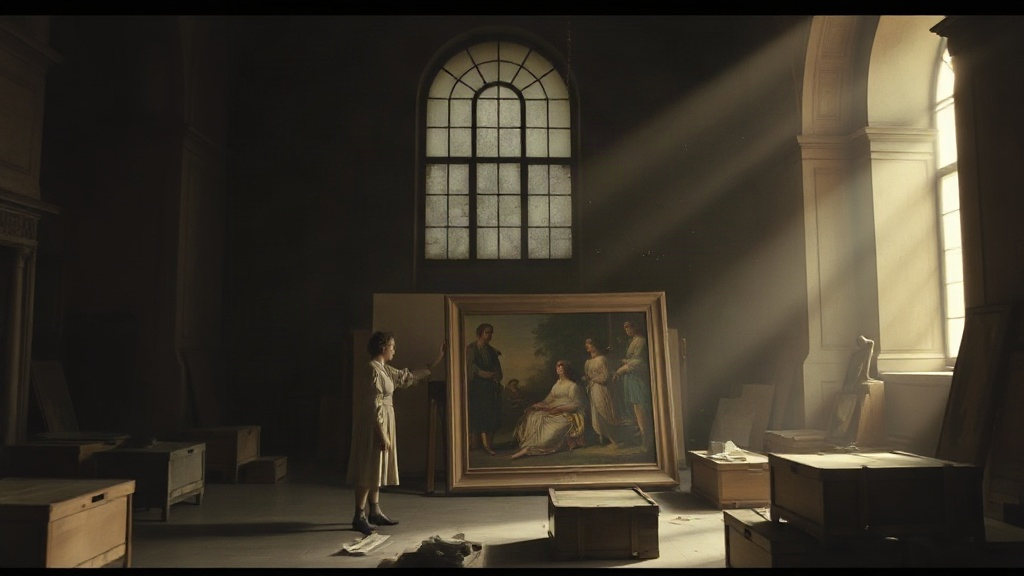
In the annals of art history, the names of great museum directors often belong to men, but Fernanda Wittgens shattered that glass ceiling with quiet determination and extraordinary courage. As Italy's first female museum director, she not only revolutionized the way art was presented to the public but also became a clandestine anti-fascist activist during World War II, risking her life to save both cultural treasures and Jewish families. Now, a new documentary titled Anatomy of a Portrait seeks to illuminate her remarkable legacy, bringing her story to a global audience for the first time.
The film, directed by Francesco Clerici and Mattia Colombo, had its world premiere in the Venetian Nights program of Venice Days on September 4. It is a meticulous reconstruction of Wittgens' life, weaving together archival materials, expert interviews, and evocative reenactments to paint a portrait of a woman whose contributions have been too long overlooked. For anyone passionate about art, history, or tales of moral courage, this documentary is a must-see revelation.
Who Was Fernanda Wittgens?
Born in Milan in 1903, Fernanda Wittgens grew up in a culturally rich environment that nurtured her intellectual curiosity. She studied art history at the University of Milan, graduating with a thesis on the Lombard Renaissance painter Bernardino Luini. Her academic brilliance caught the attention of Ettore Modigliani, then director of the Pinacoteca di Brera, one of Italy's most prestigious art galleries. In 1928, she joined the museum as an assistant, marking the beginning of a lifelong dedication to preserving and promoting Italian art.
Wittgens rose through the ranks with a combination of scholarly rigor and innovative vision. She believed that museums should not be dusty repositories for the elite but vibrant spaces for education and public engagement. She organized groundbreaking exhibitions, introduced modern lighting techniques, and championed the accessibility of art to all social classes. Her forward-thinking approach earned her the directorship of the Brera in 1940, making her the first woman in Italy to hold such a position.
However, her appointment came at a time of immense turmoil. Italy was under fascist rule, and the impending war would test her professional integrity and personal courage in ways she could never have imagined.
A Double Life: Art and Resistance
As the war intensified and the Nazis occupied northern Italy, Wittgens faced an impossible dilemma. The cultural heritage she had sworn to protect was under direct threat from looting and destruction. Simultaneously, the fascist regime's persecution of Jews and political dissidents had escalated to horrific levels. For Wittgens, neutrality was not an option.
She embarked on a clandestine mission to safeguard the Brera's most valuable artworks. Together with a small team of trusted colleagues, she orchestrated the secret transfer of hundreds of paintings, including masterpieces by Raphael, Caravaggio, and Mantegna, to safe locations in the Italian countryside. This operation was fraught with danger, as the German authorities had made it clear that any attempt to hide art would be treated as an act of sabotage.
But Wittgens' heroism extended far beyond the canvases. She used her position and connections to create a network of safe houses for Jewish families and anti-fascist partisans. She forged documents, provided financial assistance, and coordinated escape routes to Switzerland. Her apartment became a transit point for those fleeing persecution, and she never turned away anyone in need, despite the constant risk of discovery.
Anatomy of a Portrait: A Cinematic Tribute
The documentary Anatomy of a Portrait takes its title from the idea that behind every great portrait lies a complex human story, and Wittgens' life was a masterpiece of resilience and compassion. Directors Francesco Clerici and Mattia Colombo spent years researching her story, delving into archives, letters, and testimonies from those who knew her or were saved by her actions.
The film employs a unique narrative structure, using the restoration of a portrait of Wittgens as a framing device. As conservators painstakingly clean and repair the painting, the layers of her life are gradually revealed, mirroring the process of historical discovery. This artistic choice adds a deeply personal and emotional dimension to the documentary, making the viewer feel intimately connected to its subject.
Interviews with art historians, survivors, and Wittgens' relatives provide firsthand accounts of her character and legacy. One particularly moving segment features a Jewish woman who, as a child, was hidden by Wittgens and later reunited with her parents, thanks to the director's efforts. Such testimonials underscore the profound human impact of Wittgens' bravery, far beyond the art world.
The Legacy of Fernanda Wittgens
After the war, Wittgens resumed her directorship and dedicated herself to rebuilding the Brera, which had suffered significant damage during the bombings. She also played a key role in recovering looted artworks and returning them to their rightful owners. Her post-war efforts helped restore Italy's cultural pride and set a precedent for museum management in a democratic society.
Despite her monumental contributions, Wittgens' name faded from public memory in the decades following her death in 1957. The documentary aims to correct that historical oversight, positioning her as a feminist icon and a moral exemplar. In an era when the role of museums in society is being reevaluated, her vision of accessibility and education feels more relevant than ever.
Moreover, her story resonates with contemporary debates about the ethical responsibilities of cultural institutions during times of crisis. Wittgens demonstrated that art and human rights are not separate realms but deeply interconnected, and that protecting one often means defending the other.
Why This Story Matters Today
In a world still grappling with authoritarianism, cultural destruction, and the refugee crisis, Fernanda Wittgens' example offers a powerful lesson. She showed that ordinary individuals, armed with conviction and courage, can make a tangible difference in the face of overwhelming evil. Her story is not just a historical footnote but a call to action for today's cultural leaders and citizens.
Furthermore, the documentary arrives at a time when the art world is increasingly acknowledging the overlooked contributions of women. By shining a light on Wittgens' achievements, Anatomy of a Portrait contributes to a broader reassessment of women's roles in art history, challenging the traditional canon and inspiring future generations of female curators and directors.
The film's premiere at Venice Days is particularly fitting, given that Venice itself was a center of resistance and cultural preservation during the war. The city's own museums and churches suffered under occupation, and the stories of those who protected its treasures echo Wittgens' own mission.
Conclusion: A Portrait of Courage
Anatomy of a Portrait is more than a documentary; it is an act of restorative justice. By bringing Fernanda Wittgens out of the shadows, Francesco Clerici and Mattia Colombo have given us a gift: a reminder that heroism often wears a modest guise and that the love of beauty can be a force for profound good. As audiences around the world discover her story, one can only hope that her legacy will inspire a new wave of cultural activism and human solidarity.
For those fortunate enough to attend the Venice Days screening or future showings, prepare to be moved, educated, and challenged. Fernanda Wittgens' life is a testament to the enduring power of art and the indomitable human spirit, and her portrait deserves to hang in the gallery of history's greatest heroes.
Frequently Asked Questions
Who was Fernanda Wittgens and why is she significant?
Fernanda Wittgens was Italy's first female museum director, appointed head of the Pinacoteca di Brera in Milan in 1940. She is significant not only for breaking gender barriers in the art world but also for her courageous anti-fascist activities during World War II, during which she saved both priceless artworks and numerous Jewish lives.
What is the documentary Anatomy of a Portrait about?
Anatomy of a Portrait is a documentary that chronicles the life and legacy of Fernanda Wittgens. Directed by Francesco Clerici and Mattia Colombo, the film uses archival materials, interviews, and a unique framing device centered on the restoration of her portrait to explore her dual roles as a pioneering museum director and a resistance activist.
How did Fernanda Wittgens save artworks during World War II?
Wittgens orchestrated the secret relocation of hundreds of masterpieces from the Brera collection to safe locations in the Italian countryside, hiding them from Nazi looting and Allied bombings. Her meticulous planning and network of trusted colleagues ensured the survival of works by artists such as Raphael and Caravaggio.
Did Fernanda Wittgens help people as well as art?
Yes, Wittgens used her position and resources to assist Jewish families and anti-fascist partisans. She provided false documents, financial support, and safe houses, and coordinated escape routes to Switzerland, risking her own life to save others from persecution.
Where can I watch Anatomy of a Portrait?
The documentary premiered at the Venice Days program on September 4, 2024. Following its festival run, it is expected to be released in select cinemas and on streaming platforms. Check local listings and art house cinema schedules for upcoming screenings.