
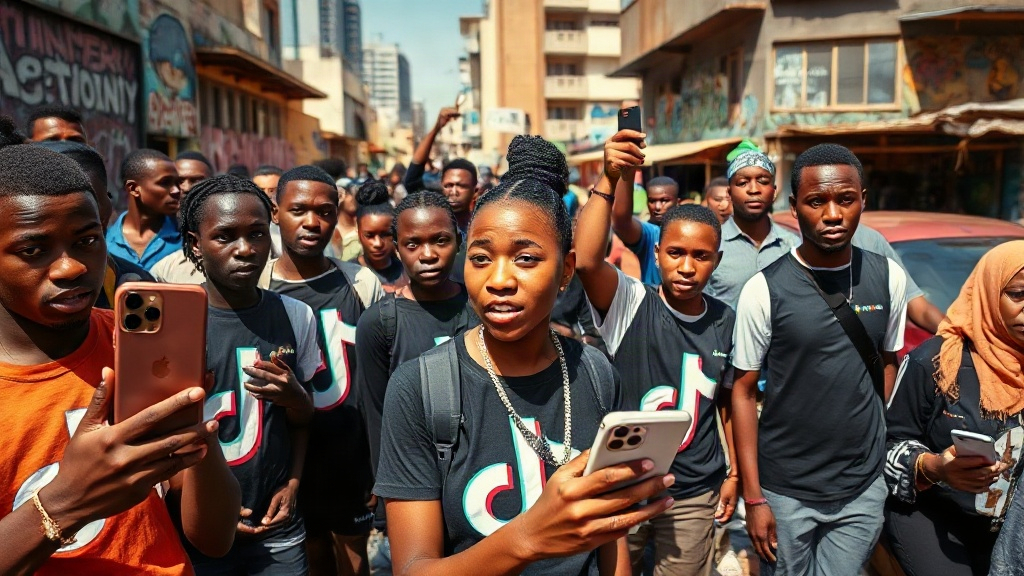
When Kenyan lawmakers debated a controversial finance bill, they might have expected the usual pushback from established opposition parties and civil society groups. Instead, they got a crash course in the power of a generation that doesn't wait for permission to speak. Across TikTok, young Kenyans unleashed a torrent of skits, lip-syncs, and direct-to-camera rants, turning complex tax policies into shareable content that reached millions. The message was clear: the old gatekeepers no longer hold the keys. This is Gen Z's TikTok-fueled political awakening, and it's forcing a seismic shift in how power is contested in Kenya.
From Dance Challenges to Political Uprising
TikTok first landed in Kenya as a platform for dance trends and comedy. But as internet penetration deepened and smartphones became ubiquitous, something unexpected happened. Young users, many of them unemployed or underemployed, began using the app to vent about the cost of living, corruption, and a political class they saw as detached. The turning point came during the 2024 finance bill protests, when TikTok became the de facto organizing tool. Hashtags like #RejectFinanceBill2024 exploded, with creators breaking down the bill's clauses in Swahili and English, often in under 60 seconds. Unlike Twitter, where text-heavy threads can feel exclusive, TikTok's video format lowered the barrier to entry. A boda boda rider could record a video explaining how the tax would affect his daily earnings, and that clip could reach a million viewers overnight.
Why TikTok Is Different from Traditional Media
In Kenya, mainstream media has long been viewed with suspicion, often seen as beholden to corporate or political interests. TikTok offers an alternative: raw, unfiltered, and immediate. Creators like Kenyans on TikTok (a loose collective of influencers) have built loyal audiences by calling out government waste and explaining parliamentary procedures in plain language. The algorithm rewards engagement, so content that resonates emotionally spreads fast. That means a single viral video can set the news agenda, forcing traditional outlets to cover stories they might have ignored. During the protests, clips of police brutality and peaceful marches circulated widely, creating a counter-narrative to official statements. For many young Kenyans, TikTok has become more trustworthy than the evening news.
The Faces Behind the Movement
While the movement is decentralized, a few key figures have emerged. Comedian and activist Fred Omondi (not the late radio host) uses satire to skewer politicians, racking up millions of views. Another creator, known as "The Political Slay Queen," breaks down budget documents with humor and flair, making fiscal policy accessible to audiences who would never read a PDF. These influencers don't claim to be journalists, but they've become de facto watchdogs. Their power lies in authenticity: they speak the language of their peers, mix slang with substance, and aren't afraid to admit when they don't know something. That relatability is precisely what traditional politicians lack.
How Politicians Are Responding
Initially, many Kenyan leaders dismissed TikTok as a distraction. But after the finance bill protests, that attitude changed. Some politicians have hired social media teams to create TikTok accounts, hoping to tap into the youth vote. Others have tried to co-opt the trend, posting awkward dance videos that often backfire spectacularly. The irony is that the more they try to be relatable, the more they expose their disconnect. A few savvy MPs have taken a different approach: they go live on TikTok to answer questions directly, acknowledging that the platform is now a legitimate forum for public debate. But trust is hard to earn, and young users are quick to call out performative activism.
The Risks and Limitations of TikTok Activism
For all its energy, TikTok activism has its pitfalls. Misinformation can spread as quickly as facts, and the algorithm can create echo chambers. During the protests, false rumors about planned attacks or government crackdowns circulated, causing panic. Moreover, the platform's reliance on viral moments can lead to slacktivism, where users feel they've contributed by simply sharing a video. Sustained change requires more than hashtags; it demands organizing, voting, and holding leaders accountable beyond the next trend. Some activists worry that TikTok's fleeting nature makes it hard to build lasting movements. Yet others argue that it's a crucial entry point, a gateway to deeper engagement.
What This Means for Kenya's Political Future
Kenya has one of the youngest populations in the world, with a median age of around 20. As these digital natives come of age, their influence will only grow. Political parties that fail to adapt will find themselves irrelevant. The 2027 elections could see a surge in youth turnout, driven by TikTok-fueled awareness. Already, there are calls for online voter registration drives and digital town halls. The government, meanwhile, faces pressure to regulate social media without stifling free speech. Balancing those interests will be a delicate task. But one thing is certain: the genie is out of the bottle. Kenyan politics will never again be a closed club for the old guard.
Frequently Asked Questions
How did TikTok become a political tool in Kenya?
TikTok's rise as a political tool in Kenya was gradual. Initially used for entertainment, it became a space for political expression as young users grew frustrated with unemployment and corruption. The 2024 finance bill protests were a catalyst, with creators using the platform to explain the bill and mobilize demonstrations. The algorithm's ability to amplify engaging content helped political messages reach vast audiences quickly, bypassing traditional media gatekeepers.
Are Kenyan politicians using TikTok effectively?
Some politicians have tried, but with mixed results. Those who attempt to mimic youth trends often come across as inauthentic, while others who use the platform for genuine dialogue have gained some traction. The key is consistency and transparency; young users are quick to detect pandering. Effective political TikTok requires listening as much as broadcasting, and few leaders have mastered that balance.
What are the dangers of TikTok activism in Kenya?
The main dangers include misinformation, echo chambers, and the risk of performative activism that doesn't translate into real-world change. False information can spread rapidly, causing confusion or panic. Additionally, the platform's fast-paced nature can make it hard to sustain long-term movements. However, when used alongside other organizing tools, TikTok can be a powerful complement to traditional activism.
How is the Kenyan government reacting to TikTok's political influence?
The government has shown a mix of concern and adaptation. Some officials have called for regulation, citing national security and misinformation, while others have embraced the platform to reach young voters. There have been discussions about requiring social media companies to comply with local laws, but critics warn that heavy-handed regulation could stifle free speech. The government's response will likely shape the future of digital activism in Kenya.
Will TikTok influence the 2027 elections in Kenya?
It's highly likely. With a large youth population and increasing smartphone penetration, TikTok could play a decisive role in voter mobilization and political discourse. Parties that invest in digital outreach and engage authentically with young voters may gain an edge. However, the impact will depend on whether TikTok activism evolves into sustained civic participation. If it does, 2027 could mark a turning point in Kenya's political landscape.