
Goodwin PLC, the UK-based engineering group, watched its shares slide 4% on Tuesday as news of production disruptions at its Duvelco subsidiary eclipsed an otherwise encouraging performance in its refractory business. The drop, which erased roughly £12 million from the company's market capitalization, caught the attention of investors who had grown accustomed to steady returns from the industrial stalwart. While the refractory segment posted respectable growth, the production hiccups at Duvelco raised fresh questions about operational execution and the company's ability to navigate supply chain complexities.
What Happened at Duvelco?
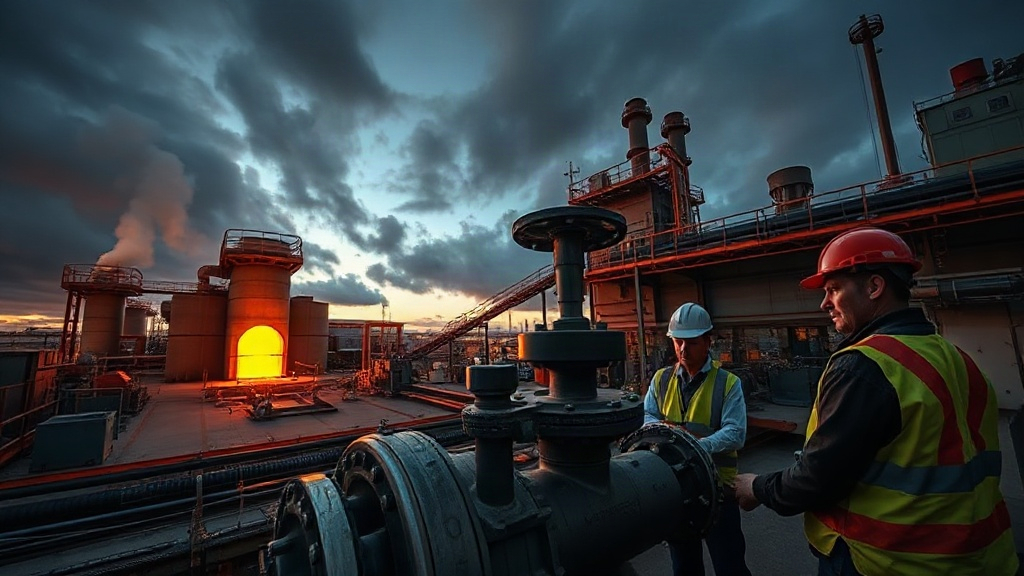
Duvelco, a Goodwin subsidiary specializing in precision components for the energy sector, encountered what the company described as "unexpected production challenges" at its main manufacturing facility in the Midlands. According to a brief trading update, the issues stem from a combination of equipment failures and difficulties sourcing a specialized alloy used in high-pressure valves. The problems emerged late in the quarter, forcing Duvelco to temporarily reduce output and delay several deliveries to key customers.
Analysts had expected Duvelco to contribute around £8 million in revenue for the period. Instead, management now anticipates a shortfall of approximately £3 million, with knock-on effects likely to spill into the next quarter. The company has not provided a precise timeline for resolving the issues, though a spokesperson indicated that engineers are working "around the clock" to bring operations back to full capacity.
Refractory Business Shines
In stark contrast to Duvelco's troubles, Goodwin's refractory division delivered a strong performance. Refractory materials, which are essential for lining high-temperature industrial furnaces, saw a surge in demand from steelmakers and cement producers across Europe and Asia. The division reported a 12% year-on-year increase in sales, driven by both volume growth and favorable pricing.
Management highlighted that the refractory order book remains robust, with several multi-year contracts signed in the past six months. The division's margins also improved, thanks to better product mix and cost efficiencies. This positive momentum had been a key pillar of Goodwin's investment thesis, and its resilience offers some comfort amid the Duvelco setback.
Market Reaction and Analyst Views
The market's initial reaction was swift and negative, with Goodwin's shares dropping 4% by mid-afternoon trading in London. The sell-off was concentrated among institutional investors, who tend to react quickly to operational surprises. However, some analysts argue that the decline may be overdone.
"The refractory growth story remains intact, and Duvelco's issues appear temporary," said Sarah Mitchell, an industrial analyst at Cavendish Equity Research. "We're talking about a short-term earnings hit, not a structural problem. Goodwin has a strong balance sheet and a track record of overcoming similar challenges."
Others are more cautious. "Production problems can snowball, especially if customer relationships are strained," noted James Carter, an analyst at Peel Hunt. "We need more clarity on the root causes and the remediation plan before we can confidently say the worst is behind them."
Background: Goodwin's Dual Identity
Goodwin PLC has long been viewed as a diversified industrial group with two distinct engines: refractory products and mechanical engineering. The refractory business, which dates back to the company's founding in 1883, supplies critical materials to heavy industries. Duvelco, acquired in 2008, was meant to broaden Goodwin's exposure to the oil and gas sector, leveraging its engineering expertise to produce high-spec components.
Over the years, Duvelco has grown to represent about 30% of group revenue. Its performance has been cyclical, tied to capital spending in the energy industry. The current production issues come at a time when energy companies are increasing investments in maintenance and upgrades, which should have been a tailwind for Duvelco. Instead, the subsidiary is now scrambling to meet commitments, potentially ceding market share to competitors.
What It Means for Investors
For investors, the Duvelco stumble serves as a reminder that even well-established industrial companies are not immune to operational hiccups. The key question is whether this is a one-off event or a sign of deeper issues. Goodwin's management has a reputation for being conservative and detail-oriented, which suggests they will take decisive action. However, the lack of specific details in the trading update leaves room for uncertainty.
In the short term, the share price may remain under pressure until more information is available. The company is expected to provide a fuller update during its next scheduled earnings call in November. Until then, analysts will be parsing every scrap of data for clues about the trajectory of both Duvelco and the refractory division.
Longer term, the refractory growth could offset Duvelco's weakness if it continues at the current pace. The division's exposure to infrastructure spending and global industrial activity gives it a broad demand base. Moreover, Goodwin's strong cash generation and low debt levels provide a cushion to absorb short-term shocks.
Potential Ripple Effects
The production issues at Duvelco could have ripple effects beyond Goodwin itself. Suppliers of the specialized alloy may see reduced orders, while customers might accelerate qualification of alternative suppliers. In the energy sector, where reliability is paramount, any hint of supply chain instability can prompt a reevaluation of vendor relationships. Goodwin will need to reassure its customers that it can deliver on time and to specification.
On the flip side, the refractory business might benefit from increased attention and investment as management seeks to capitalize on its strengths. The company could reallocate resources to support the division's expansion, potentially accelerating capacity upgrades or R&D initiatives.
Conclusion: A Bump in the Road or a Warning Sign?
Goodwin's 4% share price drop reflects the market's disappointment with Duvelco's production issues, but it also underscores the importance of the refractory business as a stabilizing force. The coming weeks will be crucial as the company works to resolve the problems and restore confidence. For long-term investors, the setback may present a buying opportunity if the refractory growth story remains on track. For others, it's a reminder that diversification doesn't eliminate risk, it merely spreads it.
Frequently Asked Questions
What exactly caused the production issues at Duvelco?
Goodwin cited a combination of equipment failures and difficulties sourcing a specialized alloy used in high-pressure valves. The company has not disclosed further technical details, but the problems led to reduced output and delivery delays.
How significant is Duvelco to Goodwin's overall business?
Duvelco accounts for roughly 30% of Goodwin's group revenue, making it a substantial contributor. Its performance can significantly impact the company's financial results and share price.
Is the refractory division's growth sustainable?
The refractory division has benefited from strong demand from steel and cement producers, and its order book remains healthy. While cyclical, the division's long-term prospects are supported by global infrastructure spending and industrial activity.
What should investors watch for next?
Investors should look for Goodwin's next earnings call in November, where management is expected to provide a detailed update on Duvelco's recovery and the refractory division's outlook. Any further delays or cost overruns could weigh on the stock.