
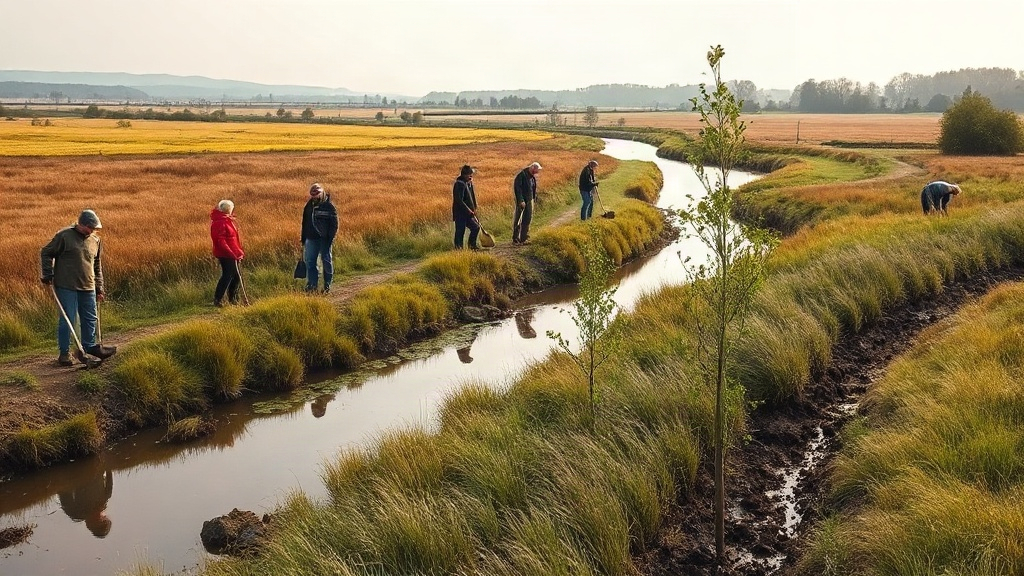
In a significant push to fortify England against the growing threats of extreme weather, the government has announced an ambitious tree-planting initiative. Over the next three years, half a million trees will take root across the country, aiming to reduce flood damage and drought impacts. The pledge, set to be unveiled by Environment Secretary Angela Eagle, signals a deepening commitment to using nature-based solutions for climate resilience.
A National Effort Rooted in Local Action
The plan isn't just about scattering saplings from a central authority. Instead, it hands new funding and responsibilities to mayors, local authorities, charities, and grassroots groups. These local actors will lead the restoration of natural landscapes such as wetlands, river edges, and meadows. The idea is simple: these ecosystems act as natural sponges, absorbing excess rainfall and releasing water slowly during dry spells. By empowering communities to manage their own environments, the government hopes to foster tailored solutions that fit specific regional challenges.
Why Trees and Wetlands Matter for Flood Management
When heavy rain hits, concrete and compacted soil shed water quickly, overwhelming drains and rivers. Trees and restored wetlands change that dynamic. Their roots and organic-rich soils create spaces for water to infiltrate, slowing the flow and reducing peak flood levels downstream. This approach, known as natural flood management, has been gaining traction among scientists and policymakers. It's often cheaper than building ever-higher concrete walls and brings added benefits like wildlife habitat and carbon storage.
Consider the example of a restored floodplain meadow. During a storm, it can hold thousands of cubic metres of water that would otherwise rush into towns. In dry periods, the same area retains moisture, helping vegetation and soil stay hydrated. These are not theoretical benefits; pilot projects across the UK have already demonstrated measurable reductions in flood peaks. Scaling them up with half a million trees could make a real difference in vulnerable communities.
The Science Behind the Pledge
Planting trees is often touted as a climate cure-all, but the reality is more nuanced. The effectiveness of tree planting depends on where, what species, and how they're managed. Native broadleaf trees, for instance, support far more biodiversity than monoculture plantations. They also tend to have deeper root systems that stabilise soil and improve water infiltration. The government's focus on wetlands, river edges, and meadows suggests an ecosystem-wide approach rather than just counting trees.
Scientists have long warned that extreme weather events are becoming more frequent and intense due to climate change. The UK has seen devastating floods in recent years, costing billions in damages and disrupting lives. Simultaneously, droughts have stressed water supplies and agriculture. Investing in natural infrastructure addresses both ends of the spectrum: it helps manage excess water during wet periods and retains it during dry ones.
How the Funding Will Work
While exact funding figures have not been disclosed, the model leverages existing local networks. Mayors and councils will likely receive grants to coordinate projects, while charities and grassroots groups can apply for support to implement on-the-ground work. This bottom-up approach taps into local knowledge, ensuring that projects are appropriate for their specific landscapes and communities.
For example, a community group in a flood-prone town might restore a stretch of riverbank with native trees and shrubs, while a rural charity could create new wetland areas on degraded farmland. The responsibilities also include maintenance, which is crucial for long-term success. Planting a tree is one thing; keeping it alive and thriving requires ongoing care, especially in the face of climate stress.
Challenges and Opportunities
Ambitious targets are one thing, but delivery is another. The UK has missed tree-planting goals before, often due to insufficient funding, poor coordination, or lack of available land. This time, the emphasis on local partnerships could help overcome some of those hurdles. However, questions remain about how success will be measured and whether the funding will be sustained beyond the initial three years.
There's also the risk of unintended consequences. Planting trees in the wrong places, such as on peatlands, can actually release carbon rather than store it. The government's focus on wetlands and meadows suggests awareness of these pitfalls, but careful planning and monitoring will be essential. Ecologists stress the importance of using the right species and avoiding invasive varieties that could disrupt local ecosystems.
Despite these challenges, the initiative represents a shift towards integrating nature into climate adaptation strategies. It's not just about hitting a number; it's about building resilience into the landscape. As Angela Eagle is expected to say, protecting communities from extreme weather requires both hard engineering and soft, green solutions. This pledge is a step in that direction.
What This Means for Communities
For residents in flood-prone areas, the promise of half a million trees could translate into safer homes and lower insurance premiums over time. For nature lovers, it means more green spaces and wildlife corridors. For local economies, it could create jobs in conservation and land management. The ripple effects are wide-ranging.
Moreover, the emphasis on grassroots involvement fosters a sense of ownership. When people plant trees in their own neighbourhoods, they're more likely to care for them. This civic engagement can strengthen community bonds and promote environmental stewardship. Schools, volunteer groups, and even businesses might get involved, turning the initiative into a collective effort.
Learning from Past Successes
The UK has a mixed record on tree planting. Some projects, like the National Forest, have successfully transformed landscapes over decades. Others have faltered due to lack of follow-through. The key difference often lies in sustained funding and local commitment. By giving mayors and councils a direct role, the government may be replicating what has worked in the past.
Internationally, similar approaches have yielded impressive results. In parts of Europe and Asia, reforestation and wetland restoration have reduced flood risks while boosting biodiversity. England's plan aligns with a global trend of using nature to adapt to climate change. It's a recognition that concrete alone can't solve our problems.
Frequently Asked Questions
How will the 500,000 trees be planted and where?
The government will distribute funding to mayors, local authorities, charities, and grassroots groups. These local partners will identify suitable sites, such as riverbanks, wetlands, and meadows, and carry out planting. The focus is on restoring natural landscapes that provide flood management and drought resilience, rather than mass plantations.
What is natural flood management and how does it work?
Natural flood management uses features like trees, wetlands, and floodplains to slow the flow of water and store it temporarily. This reduces peak flood levels downstream. It works by improving soil infiltration, intercepting rainfall, and creating physical barriers that spread water across the land.
Will this initiative help with both flooding and droughts?
Yes. The same natural features that absorb excess water during heavy rains also retain moisture during dry spells. Wetlands and healthy soils act as sponges, releasing water slowly. This dual benefit makes natural infrastructure a cost-effective tool for climate adaptation.
How can local communities get involved in the tree-planting effort?
Communities can engage through local councils, charities, or grassroots groups that receive funding. Opportunities may include volunteering for planting days, donating land, or participating in planning and maintenance. Keeping an eye on local government announcements will help residents find ways to contribute.
What are the potential risks or drawbacks of this plan?
Risks include planting the wrong trees in the wrong places, which could harm biodiversity or release carbon. Lack of long-term funding and maintenance could also undermine results. However, the government's ecosystem-focused approach and local partnerships aim to mitigate these risks through careful planning and monitoring.