
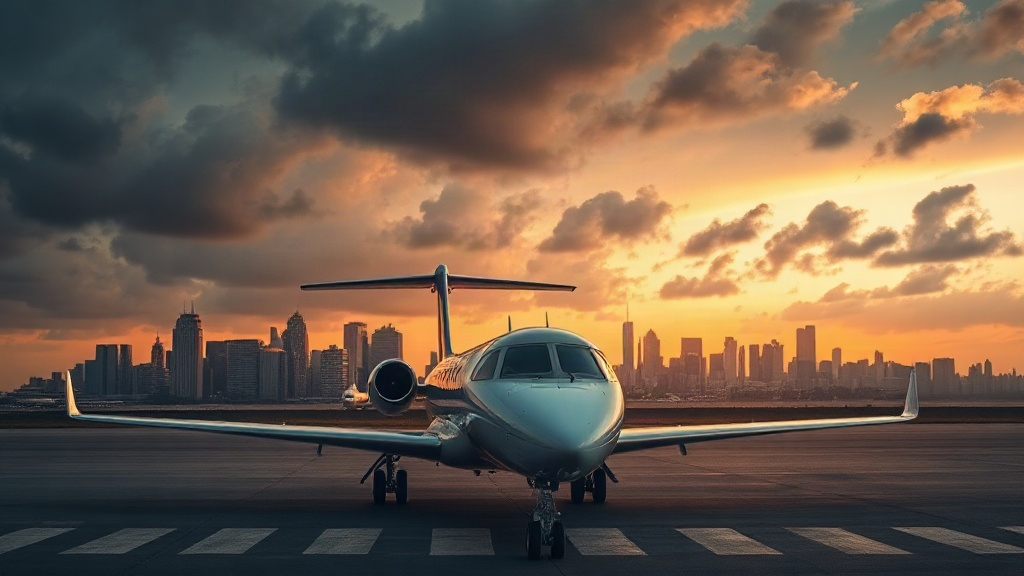
When the name Bombardier comes up in Washington, it rarely stays quiet for long. The Montreal-based aircraft manufacturer has been in and out of U.S. trade disputes for years, but the latest escalation under former President Donald Trump has put the company back in an uncomfortable spotlight. For aviation insiders and trade watchers, the question is not whether Bombardier can weather the storm, but how much damage the latest tariffs and political threats will inflict on a company already navigating a fiercely competitive global market.
Bombardier is no stranger to trade friction. Its C Series aircraft program, now controlled by Airbus, triggered a bitter dispute with Boeing in 2017 that ended with the U.S. Commerce Department imposing nearly 300 percent tariffs on the jets. The case was ultimately resolved through a series of legal and diplomatic maneuvers, but the memory lingers. Now, with Trump’s renewed focus on trade imbalances and his willingness to use tariffs as a cudgel, Bombardier finds itself once again in the crosshairs, this time over its business jets and regional aircraft.
Why Bombardier Is a Target
The core of the dispute lies in Trump’s broader trade agenda, which has long targeted Canadian manufacturing. Bombardier’s success in the U.S. market, where its Challenger and Global series business jets are popular among corporations and wealthy individuals, makes it a visible symbol of Canadian industrial prowess. Trump’s rhetoric often frames such success as coming at the expense of American workers, even when the economic reality is more nuanced. Bombardier employs thousands of people in the United States through its service centers and supply chain, but the company’s headquarters and final assembly lines remain in Canada, a fact that rankles protectionist policymakers.
The threat is not abstract. Trump has previously threatened to bar Bombardier from selling in the United States, a move that would effectively cut off the company’s largest single market. While such a drastic step has not materialized, the mere possibility has chilled investment and complicated Bombardier’s sales efforts. Customers who might otherwise sign multi-million-dollar contracts now hesitate, worried that their aircraft could become political pawns. For a company that relies on long lead times and stable regulatory environments, that uncertainty is costly.
The Stakes for Bombardier and Its Customers
Bombardier’s business jet division is the company’s crown jewel. The Global 7500, in particular, has been a commercial success, praised for its range and cabin comfort. Many of those jets are sold to U.S. buyers, from Fortune 500 companies to high-net-worth individuals. A 25 percent tariff on Canadian aircraft, which Trump has floated, would add tens of millions of dollars to the price of a single jet. That kind of increase could push buyers toward competitors like Gulfstream or Dassault, both of which manufacture in the United States or Europe.
The impact would ripple beyond Bombardier’s balance sheet. The company operates a network of service centers across the United States, in places like Wichita, Kansas, and Tucson, Arizona. Those facilities employ American mechanics and engineers who maintain and upgrade Bombardier aircraft. Tariffs that reduce sales would eventually lead to job losses in those communities, a reality that sometimes gets lost in the political rhetoric. Trade wars, as economists often note, rarely have clean winners.
How We Got Here: A Brief History
Bombardier’s trade battles trace back to its decision to develop the C Series, a narrow-body jet designed to compete with Boeing’s 737 and Airbus’s A320. Boeing filed a trade complaint in 2017, alleging that Bombardier had sold the jets to Delta Air Lines at unfairly low prices with the help of Canadian government subsidies. The U.S. Commerce Department agreed, imposing tariffs of 219 percent initially, later increased to nearly 300 percent. Bombardier appealed, and the U.S. International Trade Commission ultimately ruled in its favor, finding that Boeing had not been harmed. But the damage was done: Delta’s order was delayed, and Bombardier was forced to hand over the C Series program to Airbus for a nominal fee.
That saga taught Bombardier a hard lesson about the intersection of trade policy and aviation. The company has since refocused on business jets, a segment with different competitive dynamics but no less exposure to political winds. Trump’s return to the trade war playbook has revived old anxieties, even though the specifics of the current threats differ from the C Series case.
The Political Calculus
Trump’s trade war is not only about economics; it is also about symbolism. Targeting a Canadian manufacturer resonates with his base, particularly in industrial states that have lost manufacturing jobs. Bombardier, with its French-Canadian roots and global supply chain, is an easy foil. The fact that the company is now largely a business jet maker, rather than a producer of commercial airliners, does not diminish its symbolic value. In Trump’s telling, any foreign company that sells into the United States while receiving government support is a threat to American workers.
But the political calculus cuts both ways. Bombardier has powerful friends in the United States, including many members of Congress from states where the company has facilities. Those lawmakers have a direct interest in preserving jobs and investment. The company also has a long history of supporting U.S. suppliers, buying engines, avionics, and other components from American firms. A full-blown trade war would harm those suppliers too, a point Bombardier executives have made repeatedly in Washington.
What Happens Next
The immediate future is uncertain. Trump’s tariff threats have often been followed by negotiations and carve-outs, as seen with other trading partners. Canada has signaled it will respond to any new tariffs with its own measures, raising the prospect of a tit-for-tat escalation that could ensnare other industries. For Bombardier, the best-case scenario is a negotiated settlement that exempts aircraft or grandfathers existing contracts. The worst case is a prolonged tariff regime that forces the company to shift production or accept lower margins.
In the meantime, Bombardier is doubling down on its U.S. presence. The company recently expanded its service network and continues to hire American workers. That strategy is both a business necessity and a political message: Bombardier is not a foreign interloper but a partner in American aviation. Whether that message resonates in the current political climate remains to be seen.
Frequently Asked Questions
What specific tariffs did Trump threaten to impose on Bombardier?
Trump threatened to bar Bombardier from selling in the United States and also floated tariffs of up to 25 percent on Canadian aircraft. In the earlier C Series dispute, tariffs reached nearly 300 percent, though they were ultimately overturned. The current threats are less specific but no less concerning for the company.
How would tariffs on Bombardier affect American consumers and businesses?
Tariffs would raise the price of Bombardier business jets for U.S. buyers, potentially by tens of millions of dollars. That could push customers to competitors like Gulfstream, reducing choice and raising prices across the segment. American workers at Bombardier’s U.S. service centers could also face job losses if sales decline.
Has Bombardier faced U.S. trade disputes before?
Yes. In 2017, Boeing filed a trade complaint over the C Series, leading to tariffs of nearly 300 percent. The U.S. International Trade Commission later ruled in Bombardier’s favor, and the C Series was ultimately sold to Airbus. The current tensions are a new chapter in that ongoing saga.
What is Bombardier’s current business focus?
Bombardier now focuses exclusively on business jets, including the Challenger and Global families. The Global 7500 is its flagship model, known for its long range and spacious cabin. The company exited commercial aviation after selling the C Series program to Airbus.
Could Bombardier shift production to the United States to avoid tariffs?
Shifting final assembly to the United States would be a massive undertaking, requiring new facilities, workforce training, and supply chain realignment. While Bombardier has expanded its U.S. service operations, moving entire production lines is not a quick or cheap solution. The company is more likely to seek a negotiated exemption or tariff reduction.