
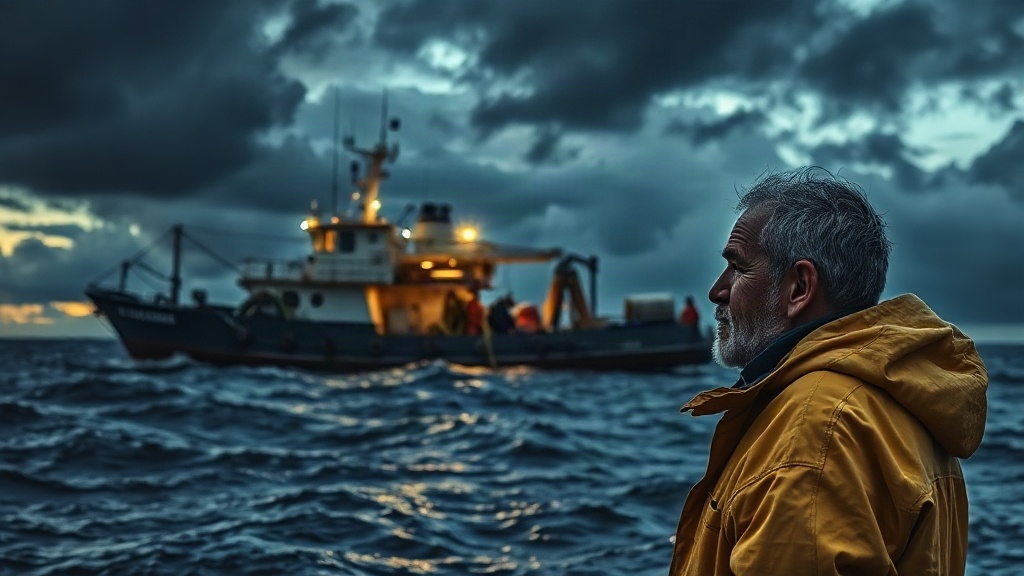
When we think of the fishing industry, we might picture rugged fishermen braving stormy seas or sustainable seafood labels promising a clear conscience. But according to journalist Rose George, the reality is far murkier. In her latest book, Every Last Fish, George plunges into the largely unregulated and often brutal world of commercial fishing, exposing a global industry that operates in the shadows, both literally and figuratively. Her investigation reveals a web of labor exploitation, environmental destruction, and governance failures that rarely make headlines.
The Hidden World of Commercial Fishing
Commercial fishing is one of the last great frontiers of the global economy. It takes place far from land, beyond the reach of cameras and often beyond the law. George, known for her immersive reporting on topics like sanitation and human waste, spent years tracing the supply chain from port to plate. What she found challenges the romanticized image of the solitary fisherman. Instead, she encountered a sprawling, opaque system where human rights abuses and ecological devastation are commonplace.
The industry's scale is staggering. According to the Food and Agriculture Organization (FAO), global capture fisheries produced about 90 million tonnes of fish in 2020, with millions of people employed in the sector. Yet, a significant portion of this activity is illegal, unreported, and unregulated (IUU). George's book highlights how these illicit operations thrive in the absence of oversight, often with the complicity of governments and corporations.
Labor Abuses on the High Seas
One of the most harrowing aspects of George's investigation is her documentation of labor abuses. She interviews fishermen who have been trafficked, forced to work for years without pay, and subjected to physical and psychological violence. These abuses are particularly prevalent on distant-water fishing vessels, which can stay at sea for months or even years. Flags of convenience allow shipowners to circumvent labor laws, and weak port state controls mean that abuses often go unpunished.
George connects these abuses to the fish we eat. She traces how seafood caught by enslaved fishermen ends up in supermarkets and restaurants, often through complex supply chains that obscure the origin. While some certification schemes aim to address these issues, George argues that they are insufficient. Human rights abuses in the fishing industry are not isolated incidents but a systemic problem that requires systemic solutions.
Environmental Devastation
The environmental toll of industrial fishing is equally alarming. Bottom trawling, for instance, destroys seafloor habitats that take decades to recover. Bycatch, the unintentional capture of non-target species, kills millions of sharks, sea turtles, and seabirds each year. Overfishing has pushed many fish stocks to the brink of collapse, threatening food security for billions of people who rely on fish as a primary source of protein.
George also examines the rise of aquaculture, often touted as a sustainable alternative. But she finds that fish farming can exacerbate problems, from pollution to the spread of disease to wild populations. The demand for fishmeal to feed farmed fish puts additional pressure on wild stocks. The ecological footprint of the fishing industry extends far beyond the obvious, and George's book makes a compelling case for urgent reform.
Why This Story Matters
George's work is more than just an exposé; it is a call to action. She argues that the fishing industry operates with a level of impunity that would be unthinkable in other sectors. The combination of weak governance, distant operations, and consumer ignorance creates a perfect storm for exploitation. But there is hope. George points to successful campaigns that have improved conditions in some fisheries, and she suggests ways that consumers, governments, and industry can contribute to change.
For consumers, the advice is familiar but often ignored: ask where your fish comes from, support sustainable brands, and demand transparency. For governments, the challenge is to strengthen monitoring and enforcement, ratify international treaties, and hold violators accountable. For the industry, the path forward involves investing in technology that improves traceability and ensuring that human rights are respected at every step of the supply chain.
The Role of Technology
Technology can be a powerful tool in the fight against illegal fishing. Satellite monitoring, electronic reporting, and blockchain-based traceability systems are already being used in some fisheries. George highlights these innovations but cautions that they are not a panacea. Without political will and adequate funding, even the best technology can be rendered ineffective.
Final Thoughts
Every Last Fish is a sobering but essential read. It shines a light on a hidden world that affects us all, whether we eat fish or not. The fishing industry is a major driver of ocean degradation and human suffering, and George's reporting makes it clear that we cannot afford to look away. As she writes, the ocean is not infinite, and the time to act is now.
Frequently Asked Questions
What is the main focus of Rose George's book 'Every Last Fish'?
The book investigates the commercial fishing industry, exposing labor abuses, environmental destruction, and governance failures. It combines immersive reporting with analysis of the global supply chain.
What are some key issues in the fishing industry that George highlights?
George documents human trafficking and forced labor on fishing vessels, the ecological impact of overfishing and bycatch, and the shortcomings of certification schemes. She also discusses the role of technology in improving transparency.
How can consumers make a difference in the fishing industry?
Consumers can ask about the origin of their seafood, choose products from sustainable fisheries, and support organizations that advocate for reform. Being informed and vocal can pressure companies to adopt better practices.
Is aquaculture a sustainable solution to overfishing?
Aquaculture can reduce pressure on wild stocks, but it also has its own environmental issues, such as pollution and the use of wild fish for feed. George argues that it is not a simple fix and must be carefully managed.