
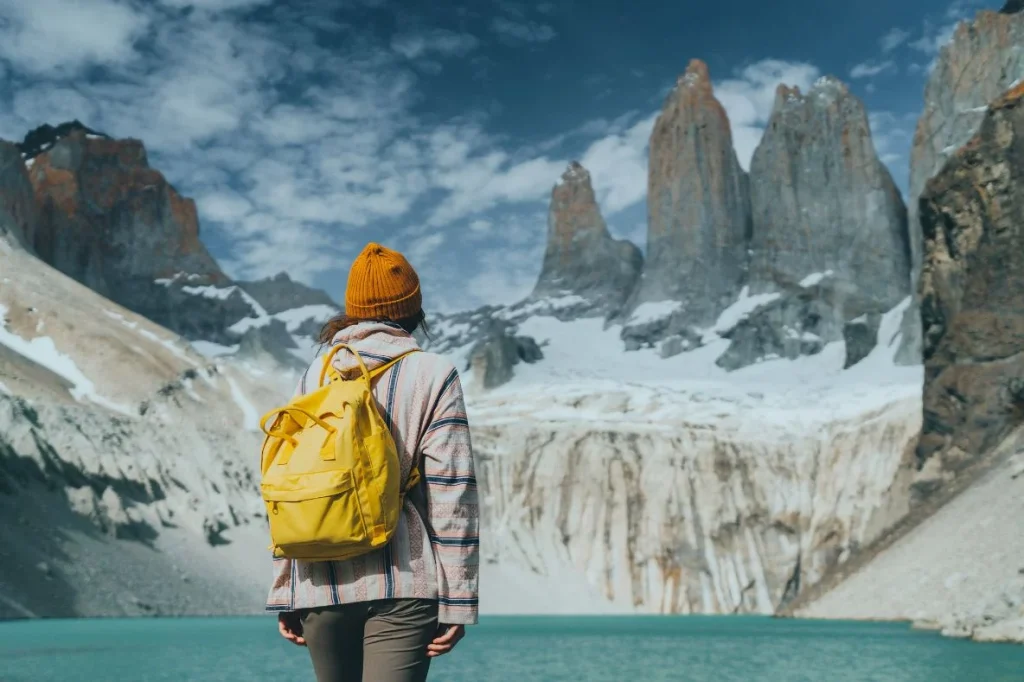
Interest in solo wilderness trekking has officially skyrocketed in South America, with park officials in Patagonia reporting record-breaking backcountry reservations this season. In July 2026, administrators of Chile’s Torres del Paine National Park and Argentina’s Los Glaciares National Park revealed a massive 45% surge in independent, single-hiker permit bookings. This unprecedented boom in adventure tourism reflects a broader cultural shift toward self-reliance, mindfulness, and off-grid exploration, pushing remote campsites to their capacity limits months ahead of the southern hemisphere’s prime hiking window.
Table of Contents
The Rise of Solo Wilderness Trekking in Patagonia’s Backcountry
For years, Patagonia was considered a destination reserved for organized tour groups or highly experienced mountaineering duos. However, a post-pandemic surge in solo travel has transformed solo wilderness trekking from a niche extreme sport into a highly sought-after therapeutic escape.
Modern hikers are increasingly seeking solitude to unplug from hyper-connected lifestyles and reconnect with themselves against a backdrop of raw, windswept granite peaks and massive glaciers. This shift is driven by advancements in lightweight gear, offline GPS mapping applications, and more accessible trail documentation that lowers the entry barrier for independent explorers.
Torres del Paine and Los Glaciares Face Unprecedented Demand
The sudden surge of travelers embarking on solo wilderness trekking has placed immense pressure on the region’s fragmented reservation systems. Unlike many national parks, accommodation in places like Torres del Paine is divided between multiple private operators, requiring hikers to coordinate bookings across different platforms.
As bookings for the upcoming late-2026 and early-2027 season opened, campsites along the world-famous W Trek and O Circuit were swept up within days. Single-person tent platforms and basic refugio beds have become the most competitive category, forcing operators to closely monitor trail capacities to prevent overcrowding and environmental degradation.
Adventure Tourism Demographics: Solo vs. Group Expeditions
Evaluating the popularity of solo wilderness trekking against traditional group expeditions showcases a major demographic shift among adventure travelers. Single hikers now command a much larger share of the backcountry market than in previous decades.
| Traveler Metric | Traditional Group Guided Expeditions | Independent Solo Wilderness Trekking |
|---|---|---|
| Reservation Growth (Compared to 2024) | +8% (Moderate expansion) | +45% (Unprecedented spike) |
| Core Appeal of Solo Wilderness Trekking | Guided safety, structured schedule, shared social bond | Complete scheduling freedom, solitude, self-discovery |
| Average Stay Duration on Trail | 4 – 6 Days (Structured itinerary) | 8 – 14 Days (Extended backcountry loops) |
| Primary Age Demographics | Ages 45 – 65+ (Affluent retirees, families) | Ages 22 – 40 (Young professionals, creatives) |
What the Experts Say: Balancing Wild Autonomy with Safety
While some park rangers worry that unregulated solo wilderness trekking could lead to safety emergencies in Patagonia’s volatile weather, safety apps are bridging the gap. The infamous windstorms and sudden temperature drops of the southern Andes remain highly challenging, even for seasoned walkers.
“The demand for solo spaces has forced us to reconsider how we manage backcountry routes. We want to support the independent spirit of solo trekkers, but hikers must understand that Patagonia’s microclimates can change in minutes, making prior preparation and strict adherence to designated trails an absolute necessity.”
To ensure sustainable tourism, park authorities are implementing mandatory check-in systems and verifying that solo hikers have active, confirmed reservations at designated campsites before allowing them into remote trailheads. This strategy protects the fragile sub-Antarctic ecosystems from illegal wild camping and minimizes rescue operations.
Frequently Asked Questions
What makes solo wilderness trekking in Patagonia so popular this season?
The rapid growth is driven by a global wellness trend emphasizing digital detoxification, self-reliance, and physical challenges, coupled with modernized gear and off-grid navigation technology that makes remote regions more accessible.
Is navigating the Patagonian wilderness alone safe for beginners?
It can be highly challenging due to Patagonia’s notoriously volatile weather and high winds. Beginners should start on well-marked, crowded trails like the W Trek in Torres del Paine before attempting remote circuits alone.
How far in advance should I reserve campsites for solo trekking in Patagonia?
Due to record-breaking demand, it is highly recommended to reserve campsites four to six months in advance, especially since single-tent platforms and refugio spots sell out rapidly as soon as booking systems open.