
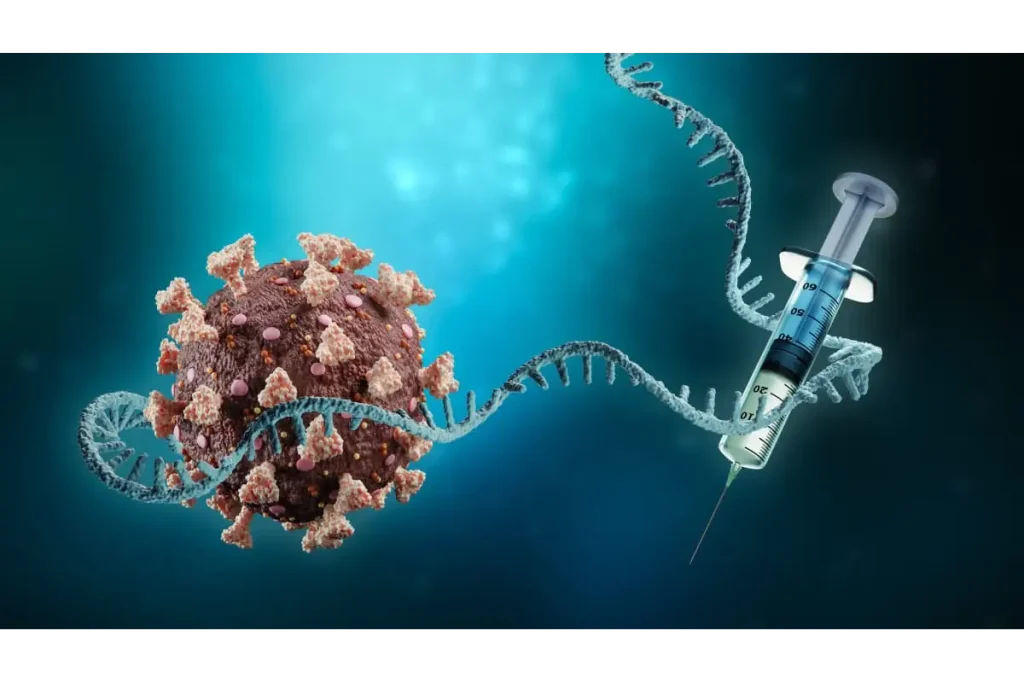
Developing a highly protective universal mRNA influenza vaccine has taken a massive leap forward following unanimous backing from regulatory panels and highly successful late-stage clinical data. In June 2026, the FDA’s Vaccines and Related Biological Products Advisory Committee (VRBPAC) voted unanimously in favor of the benefits of Moderna’s mRNA-1010 candidate, paving the way for potential market approval by August. This revolutionary immunization technology utilizes messenger RNA to prompt broader, more durable immune responses against multiple circulating influenza strains, representing a historic shift away from traditional, slow-to-produce egg-based flu vaccines.
Table of Contents
FDA Advisory Panel Backs First mRNA Influenza Candidate
For decades, medical professionals have struggled to outpace the influenza virus, which mutates rapidly and requires new seasonal formulas each year. As a result, the successful rollout of a universal mRNA influenza vaccine would completely replace the current annual requirement for predicting mutating viral strains.
The unanimous advisory vote by VRBPAC in June 2026 marks the first time an mRNA-based influenza candidate has received such clear regulatory momentum. This recommendation targets adults aged 50 and older, a population that remains highly vulnerable to influenza-related hospitalization and severe complications despite routine seasonal shots.
Fluent Trial Results: Superiority Against Multiple Flu Strains
The global community has tracked the trial phase of the universal mRNA influenza vaccine, which enrolled over 40,000 participants across 11 countries during the recent Northern Hemisphere flu season. Published findings in the New England Journal of Medicine confirm that the investigational formulation, mRNA-1010, significantly outperformed standard seasonal vaccines.
The candidate demonstrated a 26.6% relative vaccine efficacy over conventional flu shots, successfully preventing PCR-confirmed illnesses. Specifically, it maintained robust, consistent protection across three major circulating lineages: 29.6% efficacy against H1N1, 22.2% against H3N2, and 29.1% against B/Victoria.
mRNA-Based Technology vs. Traditional Egg-Based Flu Shots
Comparing the immunological profile of the candidate universal mRNA influenza vaccine against traditional egg-based vaccines reveals superior protection parameters. The transition to synthetic mRNA production also speeds up manufacturing from several months to just a few weeks.
| Clinical Metric | Conventional Seasonal Vaccine | Moderna mRNA-1010 Candidate |
|---|---|---|
| Relative Vaccine Efficacy (rVE) | Baseline Standard (Reference) | 26.6% Higher Protection |
| Development of a Universal mRNA Influenza Vaccine | Limited (Struggles with antigen drift) | High (Targets conserved viral structures) |
| Production Cycle Time | 6 – 9 Months (Egg-based incubation) | Less than 40 Days (Synthetic) |
| B-Cell Memory Response | Moderate antibody persistence | Superior germinal center activation |
What the Experts Say: Expanding the Antibody Response
While some clinical safety details remain under monitoring, scientists believe the universal mRNA influenza vaccine represents the biggest advancement in virology since the pandemic. The core mechanism involves a persistent germinal center response that triggers highly diverse memory B cells.
“We are seeing that the mRNA flu vaccine doesn’t just boost the immune system’s response to what it has already seen, it can help expand and diversify the antibody response, covering a broader range of flu strains than we ever thought possible.”
With an anticipated FDA target decision by August, health networks are already planning distribution pipelines. Successfully rolling out this technology globally could finally end the annual guessing game of flu season forecasting.
Frequently Asked Questions
How does a universal mRNA influenza vaccine differ from traditional seasonal flu shots?
Traditional seasonal flu shots are grown in chicken eggs and target highly variable outer proteins of specific predicted strains, whereas a universal mRNA influenza vaccine can quickly adapt to target highly conserved structures across multiple strains simultaneously.
When will the first universal mRNA influenza vaccine become publicly available?
The leading candidate, mRNA-1010, received a unanimous FDA advisory committee backing in June 2026. Final FDA action is anticipated in August, potentially enabling deployment ahead of the late 2026 flu season.
Are the side effects of mRNA flu vaccines worse than traditional shots?
Clinical trials show that while local injection-site soreness is slightly more common with mRNA-1010 than with older standard vaccines, the overall safety profile is highly favorable, and no major safety concerns have been identified.