
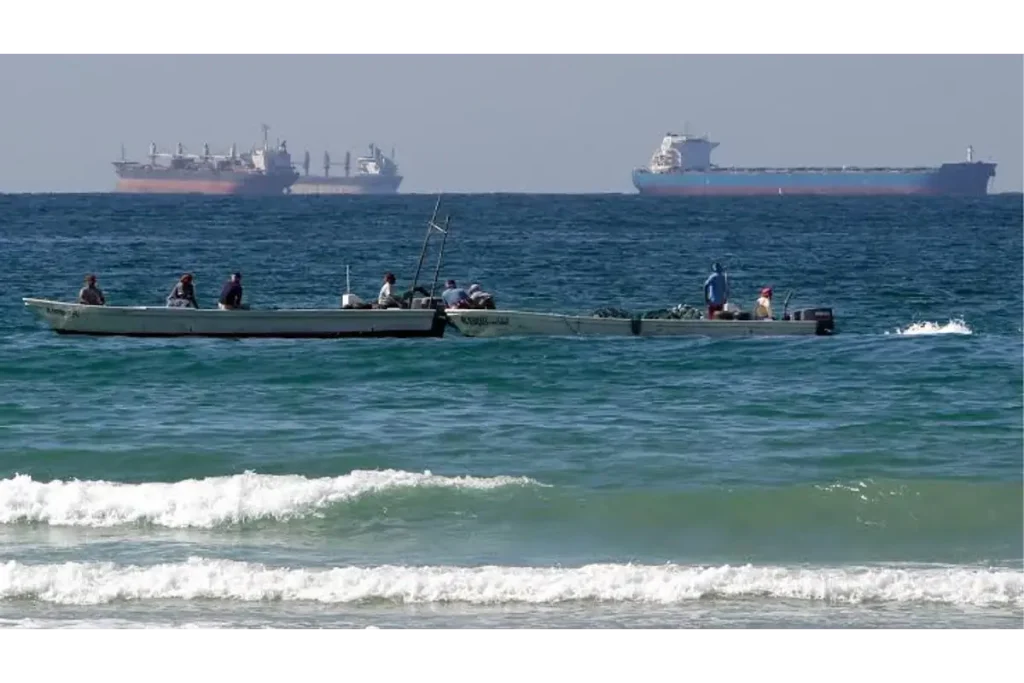
Strait of Hormuz tensions have flared once again on Tuesday, July 7, 2026, triggering an immediate 2% spike in global oil prices after Iran reportedly fired missiles at multiple commercial vessels transiting the strategic waterway. The sudden escalation has heavily shaken global energy markets, threatening to shatter the fragile June ceasefire and the recently signed U.S.-Iran memorandum of understanding (MoU).
Table of Contents
- 1. Twin Missile Attacks Strike Key Commercial Tankers
- 2. Global Oil Prices Spike Over 2% in Tuesday Trading
- 3. Threat to the Fragile U.S.-Iran Peace Memorandum
- 4. NATO and Gulf Allies Coordinate Emergency Response
- Oil Price Movements and Key 2026 Geopolitical Milestones
- Frequently Asked Questions (FAQ)
This latest incident has reignited fears that the region is sliding back into active conflict, showing how easily Strait of Hormuz tensions can disrupt vital transit lanes.
1. Twin Missile Attacks Strike Key Commercial Tankers
The maritime security environment deteriorated rapidly on Tuesday afternoon after the United Kingdom Maritime Trade Operations (UKMTO) reported that an unidentified projectile struck a vessel east of Oman’s Limah. Intelligence sources confirmed that the Iranian Revolutionary Guard Corps (IRGC) fired missiles at multiple cargo ships exiting the Persian Gulf.
At least three commercial vessels sustained damage in the assault, including a Qatari LNG tanker named Al Rekayyat and a Saudi crude oil supertanker. Although there were no immediate reports of casualties or environmental leaks, the localized aggression marks the most severe disruption in the waterway since the spring blockade.
“The targeting of the Qatari tanker Al Rekayyat near the Strait of Hormuz is an unacceptable attack on the security of international navigation and global energy supplies. Tehran bears full legal responsibility for these actions.”
— Majed Al Ansari, Qatar Foreign Ministry Spokesperson
Iranian state media reported that the vessels were fired upon after allegedly ignoring maritime warnings. However, independent observers suggest the attacks are a calculated leverage play amid stalled negotiations over U.S. military presences and sanctions relief.
2. Global Oil Prices Spike Over 2% in Tuesday Trading
Energy traders reacted swiftly to the reports, sending crude futures rebounding after weeks of steady declines. Brent crude gained 2.7% to climb past $73.50 a barrel, while West Texas Intermediate (WTI) rose 2.5% to trade back above $70.20 per barrel.
The sudden price spike reversed a downward trend that began after the June 18 peace deal, which had previously pulled Brent down from its wartime peak of $126 to pre-war levels of $71 on Monday. The immediate price surge reflects the persistent geopolitical risk premium embedded in global logistics whenever Strait of Hormuz tensions resurface.
The market shock was compounded on the same day by news of a Ukrainian drone attack that paralyzed a major Russian refinery. The simultaneous disruption in two major global energy corridors has reignited fears of a broader inflationary shock just as central banks were planning to ease interest rates.
While crude supplies are currently supported by OPEC+ output increases, any prolonged period of Strait of Hormuz tensions would force massive global inventory draws.
3. Threat to the Fragile U.S.-Iran Peace Memorandum
The missile strikes present a severe threat to the durability of the Islamabad Memorandum of Understanding signed between Washington and Tehran last month. The historic agreement had established a fragile ceasefire, allowing vessel traffic through the strait to recover to roughly 70% of its pre-war capacity.
With conservative factions in Tehran actively criticizing the diplomatic concessions, the renewed Strait of Hormuz tensions represent an internal struggle within the Iranian regime. Military analysts warn that the U.S. is highly likely to retaliate under the terms of the regional maritime escort agreements, raising the risk of a renewed direct military confrontation.
The timing of the attacks suggests that regional proxy forces are utilizing Strait of Hormuz tensions to pressure Western negotiators during the ongoing Swiss round of financial talks. Iran’s Foreign Ministry declared on Tuesday that it would completely halt further negotiations if Washington continues to issue direct military threats.
4. NATO and Gulf Allies Coordinate Emergency Response
The fresh security breach coincided with the ongoing NATO Summit in Ankara, prompting allied foreign ministers to convene an emergency session with representatives from Gulf Arab nations. Britain and France immediately outlined plans to expand a multinational maritime coalition in the Persian Gulf to secure merchant ships from hostile boarding attempts.
Diplomats acknowledge that managing Strait of Hormuz tensions is nearly impossible without complete Iranian cooperation, as alternate transit routes along Oman’s coast remain highly vulnerable to shore-based missile batteries. For Europe’s energy security, the integrity of this passage remains critical as winter gas storage campaigns enter their most intensive phase.
Belgium’s Foreign Minister emphasized that rising Strait of Hormuz tensions directly impact Europe’s core economic stability and cannot be viewed as a localized dispute. As allied warships adjust their patrol sectors, global shipping registries are advising commercial vessels to proceed with extreme caution and maintain active communication with the Joint Maritime Information Center.
Oil Price Movements and Key 2026 Geopolitical Milestones
The table below tracks how global benchmark Brent crude prices have reacted to changing Strait of Hormuz tensions during different phases of the 2026 crisis:
| Phase of the Crisis | Approximate Date Range | Average Brent Price (Per Barrel) | Strait Capacity / Status | Market Sentiment & Outlook |
|---|---|---|---|---|
| Initial War Outbreak | Late Feb – April 2026 | $110 – $126 USD | Almost entirely closed (0-10%) | Panic buying and extreme global supply disruption. |
| Ceasefire & Peace MoU | Mid-June – Early July 2026 | $71 – $73 USD | Recovered to 70-75% capacity | Optimism over supply normalization and Saudi OSP discounts. |
| Renewed Missile Attacks | July 7, 2026 (Today) | $73.50+ USD (Up 2.7%) | Uncertain / Volatile transit | Fears over U.S.-Iran MoU rupture and renewed military escort programs. |
This structural comparison shows how closely spot prices correlate with the physical crossing volume through the narrow waterway, regardless of OPEC+ quota decisions.
Frequently Asked Questions (FAQ)
Q1: What triggered the recent oil price spike and the rise in Strait of Hormuz tensions?
Answer: The fresh Strait of Hormuz tensions were ignited after Iran fired at least two missiles at commercial vessels exiting the Persian Gulf on Tuesday, July 7, 2026. The attack damaged a Qatari LNG tanker and a Saudi crude supertanker, immediately triggering a 2.7% rebound in Brent crude prices.
Q2: How much global energy trade passes through this strategic chokepoint?
Answer: Under normal operating conditions, approximately 20% of global seaborne oil trade and 20% of liquefied natural gas (LNG) pass through the Strait of Hormuz, making it the most consequential single point of failure in global energy logistics.
Q3: Does this attack affect the US-Iran peace memorandum?
Answer: Yes, the missile strikes severely threaten the viability of the Islamabad Memorandum of Understanding signed in June. If the U.S. or its allies launch retaliatory strikes to protect shipping, the ceasefire could collapse, leading to a renewed fuel crisis.